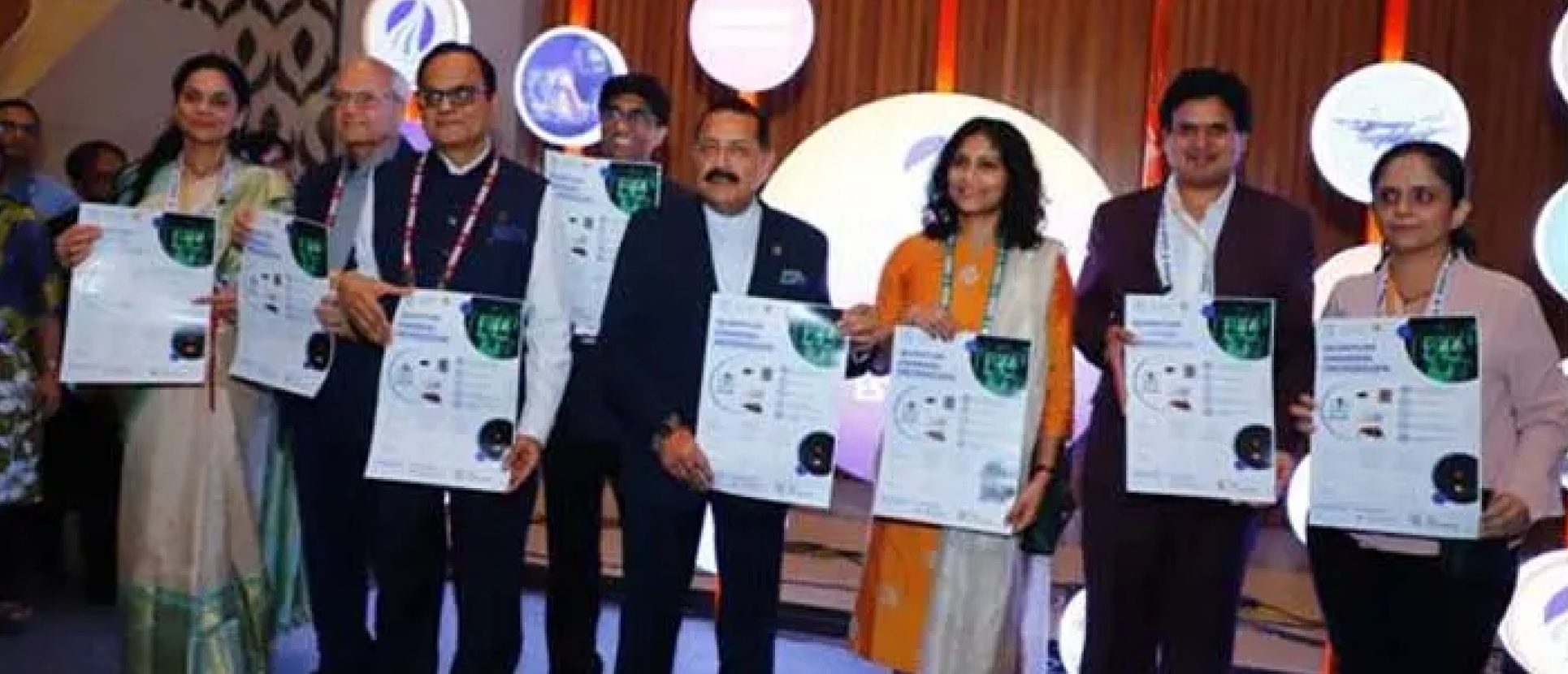
Mumbai Gets PARAM Rudra Supercomputing Facility at IIT, 1200 Students Likely to Benefit
In a significant advancement for computational research and technology in India, the PARAM Rudra supercomputing facility was inaugurated at the Indian Institute of Technology (IIT) Bombay on January 9, 2026. This facility is expected to benefit over 1200 students and more than 200 faculty members, marking a pivotal moment in the nation’s journey toward enhancing its research capabilities in various fields.
Overview of PARAM Rudra
PARAM Rudra is a high-performance computing (HPC) system that boasts a capacity of 3 PetaFLOPS. It has been developed by the Centre for Development of Advanced Computing (C-DAC) as part of the National Supercomputing Mission (NSM). The system is designed to support a wide range of applications, including artificial intelligence (AI), biotechnology, and advanced manufacturing.
Inauguration Ceremony
The inauguration ceremony was led by Prof. Abhay Karandikar, the Secretary of the Department of Science and Technology (DST), Government of India. During the event, he emphasized the importance of the new facility in strengthening computational research capabilities at IIT Bombay. He stated, “The supercomputer would act as a catalyst for innovation in critical areas such as artificial intelligence, biotechnology, and advanced manufacturing, while also supporting startups and industry-led research.”
Significance of the Facility
The introduction of PARAM Rudra is a significant step toward bolstering India’s indigenous supercomputing ecosystem. The facility is equipped with advanced features, including:
- Indigenous Design: The supercomputing system is based on Rudra servers, which have been developed and manufactured in India, reinforcing the Make-in-India initiative.
- Energy Efficiency: PARAM Rudra utilizes advanced Direct Contact Liquid Cooling (DCLC) technology, which enhances performance while ensuring higher energy efficiency.
- Research Opportunities: The facility is expected to enhance research collaborations among institutions in and around Mumbai, leading to improved scientific outcomes.
Support for the Research Community
Prof. Karandikar highlighted that the PARAM Rudra facility would not only benefit IIT Bombay but also serve as a resource for researchers across the country. The facility is anticipated to foster innovation and collaboration, ultimately contributing to the growth of the research community in India.
National Supercomputing Mission
The National Supercomputing Mission, which oversees the establishment of supercomputing facilities in India, is a joint initiative between the Ministry of Electronics and Information Technology (MeitY) and the DST. The mission aims to create a comprehensive indigenous supercomputing ecosystem through four key pillars:
- Supercomputing infrastructure
- Applications development
- Research and development
- Human resource development
Future Prospects
With the commissioning of PARAM Rudra, the total number of supercomputers deployed under the National Supercomputing Mission has reached 38, with a cumulative capacity of 44 PetaFLOPS. Dr. Hemant Darbari, the Mission Director of NSM, remarked that this facility would significantly enhance research opportunities for institutions in Mumbai and surrounding areas.
As India continues to invest in high-performance computing, the establishment of PARAM Rudra represents a major milestone in the country’s journey toward becoming a global leader in technology and innovation. The facility is expected to support various sectors, including academia, industry, and startups, thereby driving economic growth and technological advancements.
Conclusion
The inauguration of the PARAM Rudra supercomputing facility at IIT Bombay is a landmark achievement for India’s scientific and technological community. By providing advanced computational resources, the facility is set to empower students and researchers alike, fostering a culture of innovation and collaboration in critical fields such as AI and biotechnology. As the nation moves forward, the impact of this facility will likely resonate across various sectors, contributing to India’s position as a hub for cutting-edge research and development.
Note: This article is based on information available as of January 2026 and aims to provide an overview of the PARAM Rudra supercomputing facility and its significance.