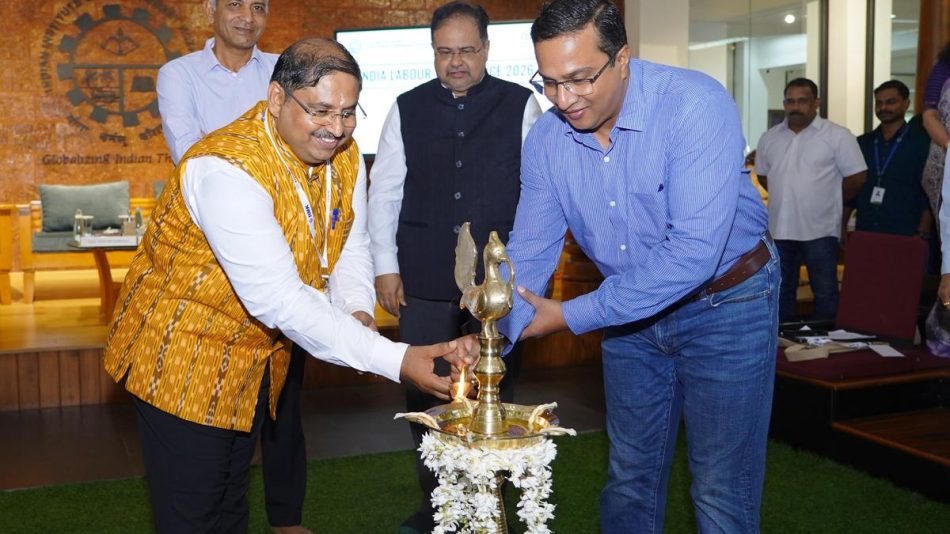
IIM-K hosts India Labour Conference
The Indian Institute of Management-Kozhikode (IIM-K) recently hosted the third edition of the India Labour Conference, focusing on the theme of “Gig Workers in Growing India.” This significant event brought together a diverse group of stakeholders, including researchers, policymakers, trade union leaders, non-profit organizations, and industry experts, to address the challenges and opportunities faced by gig workers in the modern economy.
Importance of the Conference
The conference aimed to create a platform for dialogue and discussion on how to ensure that work remains fair and sustainable in an increasingly digital economy. With the rise of gig work, there is a pressing need to address the realities of this workforce, which often operates in the shadows of formal employment.
Inaugural Address by Debashis Chatterjee
During the inaugural address, Debashis Chatterjee, the Director of IIM-K, highlighted the importance of recognizing the “invisible” workforce that significantly contributes to the economy. He emphasized the need to make the “invisible visible,” referring to the millions of gig workers who are essential yet often overlooked in mainstream discussions about labor.
Chatterjee pointed out that gig workers make up approximately 4% of India’s total workforce. Alarmingly, he noted that around 40% of these workers earn less than ₹15,000 per month, underscoring the economic vulnerabilities faced by this group. He called for a shift in perspective from an “algorithmic orientation” to a more humane approach that prioritizes altruism and human dignity.
Key Themes Discussed
The conference featured various sessions and discussions centered on several key themes:
- Recognition of Gig Workers: The need to acknowledge and validate the contributions of gig workers to the economy.
- Fair Compensation: Addressing the issue of low wages and economic insecurity among gig workers.
- Social Protection: Exploring ways to extend social security benefits to gig workers, who often lack access to traditional employment benefits.
- Regulatory Framework: Discussing the need for a regulatory framework that protects the rights of gig workers while promoting flexibility and innovation in the labor market.
- Future of Work: Examining how technological advancements are reshaping the labor landscape and the implications for gig workers.
Panel Discussions and Expert Insights
The conference featured several panel discussions where experts shared their insights on the future of gig work in India. Key topics included:
- Impact of Technology: How technology is transforming traditional job roles and creating new opportunities for gig workers.
- Policy Recommendations: Suggestions for policymakers to create a more inclusive and equitable labor market.
- Case Studies: Presentations of successful models and initiatives that support gig workers and enhance their livelihoods.
Conclusion
The India Labour Conference at IIM-K served as a vital platform for raising awareness about the challenges faced by gig workers in India. The discussions highlighted the urgent need for action to improve the working conditions and livelihoods of this growing segment of the workforce. As the gig economy continues to expand, it is crucial for all stakeholders to collaborate in creating a fair and sustainable future for gig workers.
Note: The insights and discussions from the conference will play a pivotal role in shaping future policies and initiatives aimed at supporting gig workers in India.