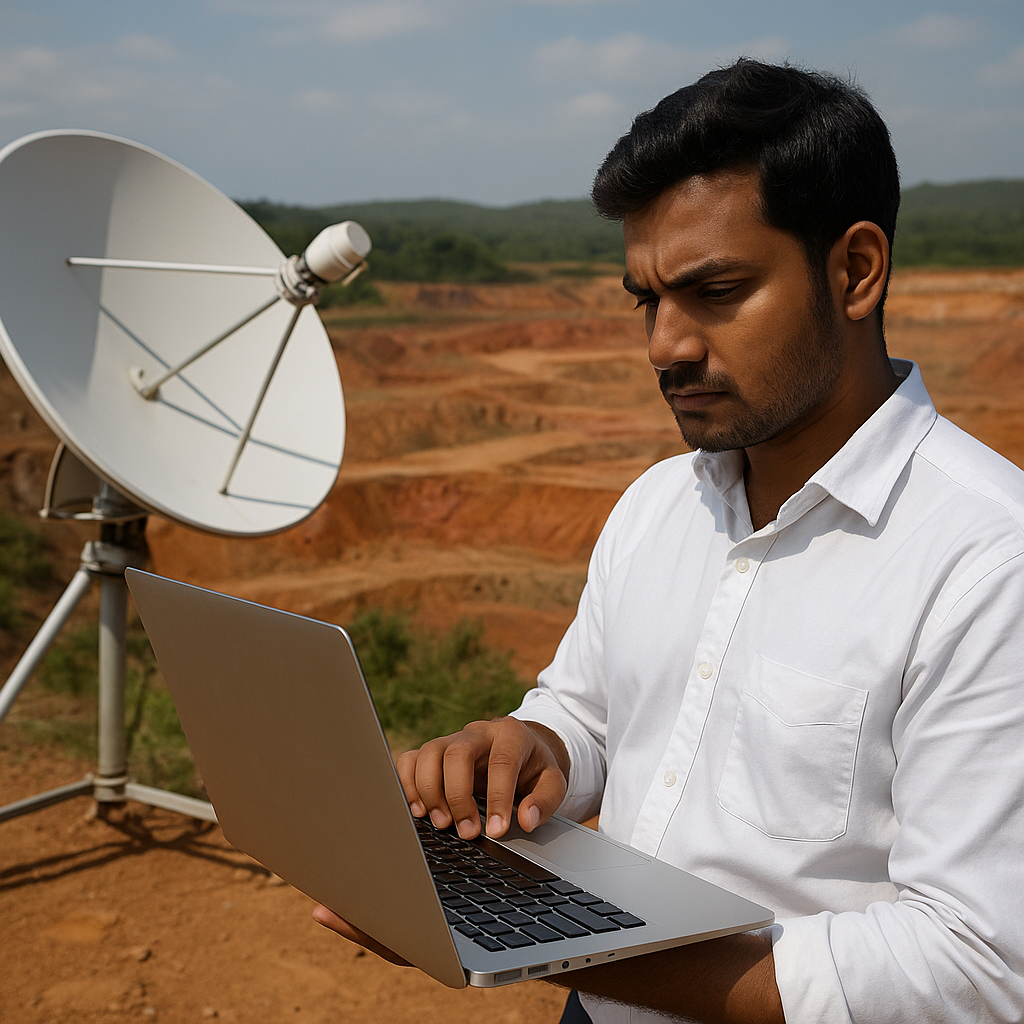
IIT Bhubaneswar and ISRO Collaborate for Coastal and Oceanic Research
The Indian Institute of Technology (IIT) Bhubaneswar has officially partnered with the Indian Space Research Organisation (ISRO) to enhance collaborative research focused on coastal and oceanic processes along the Bay of Bengal. This partnership aims to deepen scientific understanding of the physical and biogeochemical dynamics in the region, particularly in light of the shoreline changes that have raised concerns in several coastal districts of Odisha.
Overview of the Partnership
The formal agreement, known as a Memorandum of Understanding (MoU), establishes a framework for joint research and development initiatives. The collaboration will initially target the near-shore dynamics from the Sundarbans delta to northern Andhra Pradesh, with plans to expand to other coastal regions of India in future phases.
Research Objectives
The primary objectives of this initiative include:
- Mapping and understanding physical processes such as waves, tides, and currents.
- Investigating biogeochemical interactions in the coastal and oceanic environment.
- Analyzing the complex interactions of riverine freshwater influx, ocean eddies, and mangrove ecosystems.
- Understanding how these factors influence sediment transport and shoreline evolution.
Importance of the Research
The research is particularly crucial as it addresses the pressing issue of shoreline erosion, which has significantly impacted coastal districts in Odisha, including Ganjam, Jagatsinghpur, and Kendrapara. Local communities, especially fishermen, have faced severe consequences due to the ongoing loss of land to the sea.
By disentangling the roles of global warming, tectonic activity, and seasonal monsoon-driven processes, this collaborative effort aims to provide insights into the factors contributing to coastal changes. Understanding these dynamics is essential for developing effective strategies to mitigate the impacts of erosion and support local communities.
Methodologies Employed
The project will utilize advanced methodologies, including:
- Remote sensing technology to gather data on coastal changes.
- Oceanographic analysis to study water movement and its effects on coastal ecosystems.
- Modelling tools to simulate various scenarios and predict future changes in the coastal environment.
Potential for Expansion
While the initial focus is on the Bay of Bengal, the partnership holds the potential for expansion to other Indian coastal areas. As the research progresses, findings could be applied to address similar challenges faced by different regions, enhancing the overall resilience of India’s coastal communities.
Conclusion
The collaboration between IIT Bhubaneswar and ISRO represents a significant step forward in understanding and addressing the challenges posed by coastal and oceanic changes. By leveraging advanced technology and scientific expertise, this initiative aims to provide valuable insights that can inform policy decisions and community practices in coastal management.
Note: This article reflects the latest developments in coastal and oceanic research initiatives in India as of October 2023.