IIT Bombay and Columbia University Collaborate to Establish AI Centre for Manufacturing
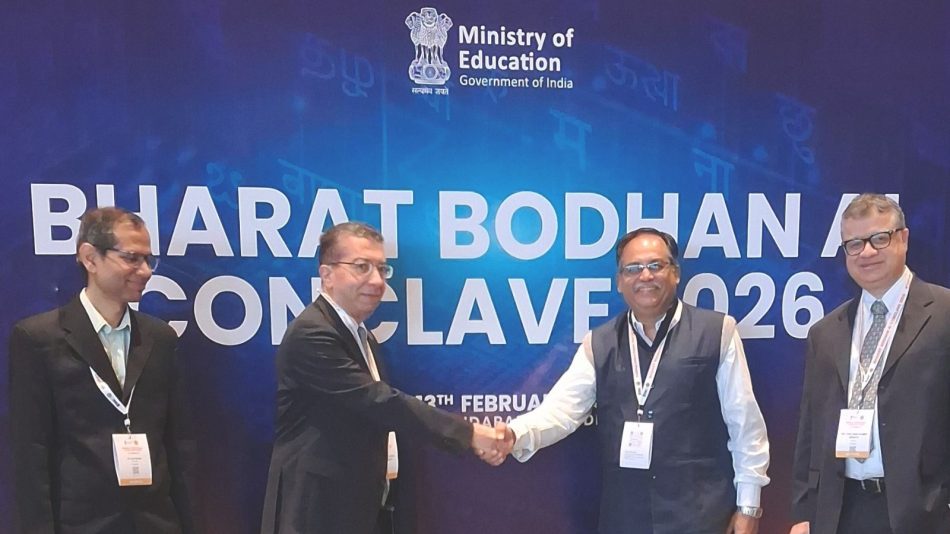
The Indian Institute of Technology (IIT) Bombay and Columbia University have recently signed a Memorandum of Understanding (MoU) aimed at establishing a Centre for Artificial Intelligence (AI) focused on advancing manufacturing technologies. This collaboration highlights the growing importance of AI in the manufacturing sector and the need for innovative solutions to enhance productivity and efficiency.
Background of the Collaboration
The partnership between IIT Bombay and Columbia University is a significant step towards fostering research and development in the field of AI and its applications in manufacturing. Both institutions are recognized for their excellence in engineering and technology, making them ideal partners for this initiative.
IIT Bombay, established in 1958, is one of India’s premier engineering institutions, known for its cutting-edge research and innovation. Columbia University, located in New York City, is an Ivy League university with a strong emphasis on interdisciplinary research and technological advancements.
Objectives of the Centre
The newly established Centre for AI in Manufacturing aims to achieve several key objectives:
- Research and Development: Conduct advanced research on AI algorithms and their applications in manufacturing processes.
- Collaboration: Facilitate collaboration between academia, industry, and government to drive innovation in manufacturing.
- Education and Training: Provide educational programs and training workshops to equip students and professionals with the necessary skills in AI and manufacturing technologies.
- Industry Partnerships: Establish partnerships with leading manufacturing firms to implement AI solutions in real-world scenarios.
Significance of AI in Manufacturing
The integration of AI in manufacturing processes has the potential to revolutionize the industry. Some of the key benefits include:
- Increased Efficiency: AI can optimize production processes, reducing downtime and increasing output.
- Predictive Maintenance: AI algorithms can analyze machine data to predict failures before they occur, minimizing disruptions.
- Quality Control: AI can enhance quality assurance by identifying defects in products during the manufacturing process.
- Supply Chain Optimization: AI can improve supply chain management by predicting demand and optimizing inventory levels.
Future Prospects
The establishment of the Centre for AI in Manufacturing is expected to pave the way for numerous advancements in the field. With the collaboration of IIT Bombay and Columbia University, the centre will serve as a hub for innovation and knowledge sharing.
Students and researchers will have the opportunity to work on cutting-edge projects, gaining hands-on experience in AI applications. Furthermore, the centre aims to attract funding and investment from both public and private sectors, ensuring sustainability and growth.
Conclusion
The partnership between IIT Bombay and Columbia University marks a significant milestone in the integration of AI into manufacturing. As industries continue to evolve, the need for innovative solutions becomes increasingly critical. The Centre for AI in Manufacturing is poised to lead the way in research, education, and collaboration, ultimately contributing to the advancement of the manufacturing sector globally.
Note: This article is based on the recent developments regarding the MoU signed between IIT Bombay and Columbia University and aims to provide an overview of the significance and objectives of the collaboration.