IIT Bombay Scientists Build Pocket Device That Helps Farmers Test Soil in 5 Minutes
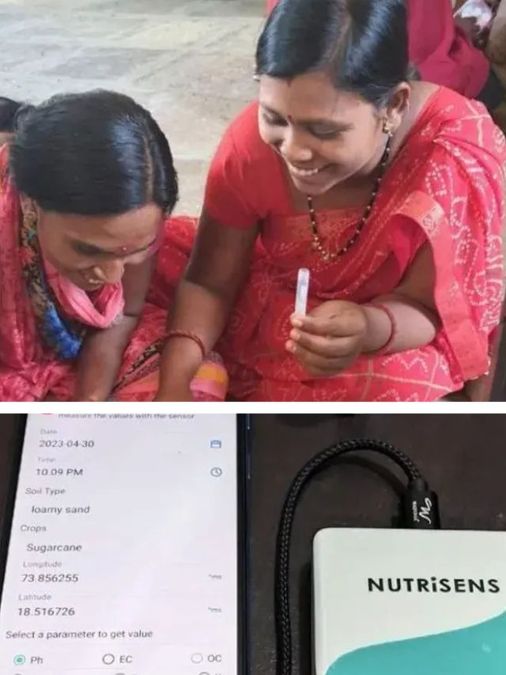
In a groundbreaking development for agriculture, scientists from the Indian Institute of Technology (IIT) Bombay have created a pocket-sized device named NutriSens, designed to help farmers test soil health within minutes. This innovation aims to empower farmers by providing them with immediate access to vital soil information, eliminating the need for lengthy waits for lab results.
The Need for Fast Soil Testing
Traditionally, farmers in rural areas face significant delays when sending soil samples to distant laboratories for testing. These delays can hinder timely decision-making regarding crop management and fertilization. With NutriSens, farmers can now conduct on-site soil tests, allowing them to make informed decisions quickly and effectively.
How NutriSens Works
NutriSens is designed to be user-friendly and efficient. The device measures several critical parameters of soil health, including:
- pH
- Nitrogen
- Potassium
- Phosphate
- Electrical conductivity
- Ammoniacal nitrogen
The following steps outline how farmers can use NutriSens to test their soil:
Step 1: Collect a Soil Sample
Farmers begin by collecting a small sample of soil, approximately one gram, which is about the size of a pea. It is essential to select a spot that represents the field accurately. Before testing, farmers should remove any rocks and debris from the sample.
Step 2: Prepare the Solution
Next, the soil sample is placed in a vial. Farmers then add three milliliters of a chemical solution to the soil and shake the vial gently. After shaking, it is crucial to let the mixture settle for around 30 minutes. This process allows a clear liquid to rise to the top, which will be analyzed by the NutriSens device.
Step 3: Apply to the Sensor
Using a dropper, farmers place one drop of the clear solution onto the sensor strip connected to the NutriSens device. The testing process begins immediately, providing quick access to soil data.
Step 4: View Results
Each parameter measured by NutriSens is read within 25 to 30 seconds. In under five minutes, farmers receive a complete nutrient breakdown of their soil, enabling them to understand its health and fertility status.
Step 5: Act on the Data
With the nutrient data at hand, farmers can make informed decisions regarding fertilization. They can determine the type and amount of fertilizer needed and the optimal timing for application, based on scientific data rather than guesswork. This data-driven approach leads to better crop yields and improved soil health.
Benefits of NutriSens
The introduction of NutriSens is set to revolutionize soil testing for farmers across India. Here are some of the key benefits:
- Immediate Results: Farmers receive instant feedback on soil health, allowing for timely interventions.
- Cost-Effective: Reduces the need for expensive lab tests, making soil testing accessible to more farmers.
- Improved Crop Yields: By utilizing precise data, farmers can optimize fertilizer use, leading to better crop production.
- Long-Term Soil Health: Data-driven decisions contribute to sustainable farming practices and long-term soil fertility.
- User-Friendly: The device is designed to be easy to use, even for those without a scientific background.
Impact on Agriculture
NutriSens is not just a technological advancement; it represents a shift towards more sustainable agricultural practices. By enabling farmers to understand their soil better, the device promotes responsible fertilization and reduces the overuse of chemical inputs. This approach not only enhances productivity but also safeguards the environment.
Conclusion
The development of NutriSens by IIT Bombay scientists is a significant step forward in agricultural technology. By providing farmers with the tools they need to test soil health quickly and accurately, NutriSens empowers them to make informed decisions that can lead to better yields and sustainable farming practices. This innovation exemplifies how science can directly benefit the agricultural community, improving the livelihoods of farmers and contributing to food security.
Note: The information provided in this article is based on developments reported as of February 2026.