IIT Changes PhD Rules to Make Scholars Future-Ready
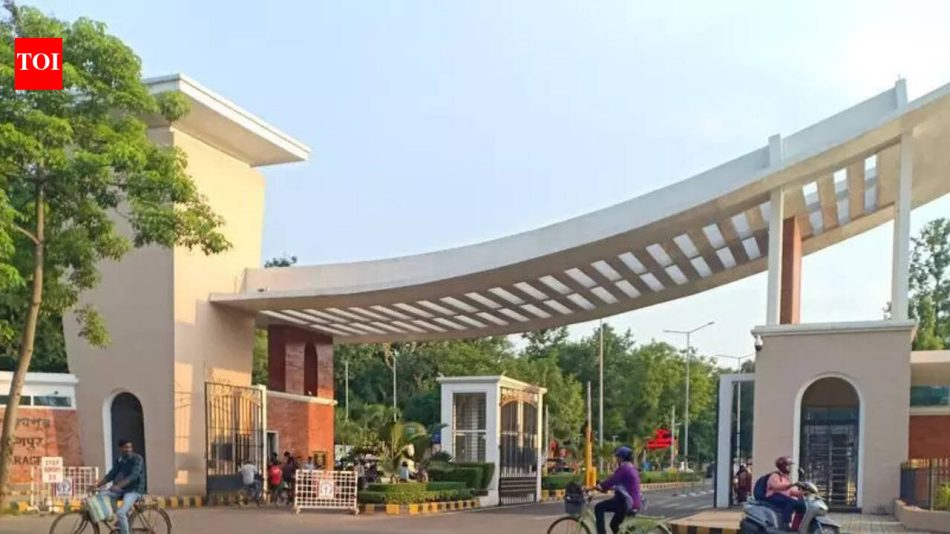
Kolkata: The Indian Institute of Technology (IIT) Kharagpur has recently implemented a series of progressive reforms aimed at enhancing the PhD experience for research scholars. These changes are designed to prepare scholars for future challenges and reduce uncertainties in their careers.
Overview of the New PhD Reforms
The reforms introduced by IIT Kharagpur include:
- Rolling PhD advertisements to allow year-round admissions based on research readiness.
- Flexible eligibility criteria to accommodate a diverse range of candidates.
- Freedom for scholars to select coursework from any academic unit, promoting interdisciplinary studies.
- Reformed evaluation processes to alleviate anxiety among students.
- A revised leave framework providing 30 days of casual leave, 30 days of medical leave, and eligibility for an autumn break.
- Financial support for scholars to ease financial burdens and enhance career transitions.
Director’s Vision
According to IIT Kharagpur’s director, Suman Chakraborty, the institute is moving away from the traditional view of a PhD as a rigid and isolated academic journey. He stated, “A researcher can perform at the highest level when they are mentally relaxed. We are reimagining what a PhD should mean in this century and introducing several progressive reforms to develop an ecosystem that supports the holistic well-being of our research scholars.”
Key Changes in Admission and Evaluation Processes
One of the most notable changes is the approach to admissions. The selection process will now prioritize a candidate’s capabilities relevant to the research unit rather than relying solely on undergraduate performance. This shift is particularly beneficial for working professionals, whose practical experience and vision are now considered more valuable than their academic scores.
Chakraborty also addressed the common fear associated with comprehensive exams, which previously required students to pass within two attempts. The new policy allows for an additional attempt and focuses on assessing a scholar’s preparedness for research rather than serving as an elimination test.
Productivity and Attendance Reforms
The evaluation of productivity will now be based on the quality of ideas, outcomes, and integrity, rather than strict attendance requirements. Scholars will no longer be bound by a 10 am to 5 pm schedule; instead, their involvement and progress will be certified by their supervisors and doctoral committees.
Post-Doctoral Fellowship Initiative
To further support scholars during the transition period after thesis submission, IIT Kharagpur has introduced an Institute Post-Doctoral Fellowship for six months. This fellowship is available to internal candidates and is designed to maintain momentum in their research careers. Chakraborty emphasized that this initiative is based on the scholars’ performance during this cushion period, ensuring a smooth transition into their next career steps.
Financial Support for Research Opportunities
Recognizing that financial constraints often hinder research scholars from seizing valuable opportunities, the institute will provide financial support for various initiatives. This includes funding for scholars to work as fellows under professors abroad, participation in international conferences, and competitions. Additionally, provisions for start-up seed funds aimed at fostering innovation have been established.
Impact on Current and Future Scholars
This semester, IIT Kharagpur welcomed 272 PhD scholars and 30 MS students, reflecting a growing interest in its reformed programs. The new policies are expected to create a more supportive and flexible environment for research scholars, enabling them to thrive both academically and professionally.
Conclusion
The changes implemented by IIT Kharagpur are a significant step towards modernizing the PhD experience. By prioritizing mental well-being, flexibility, and practical experience, the institute aims to prepare its scholars for the challenges of the future. As these reforms take root, they may serve as a model for other institutions looking to enhance their doctoral programs.
Note: The information provided in this article is based on current developments at IIT Kharagpur as of January 2026.