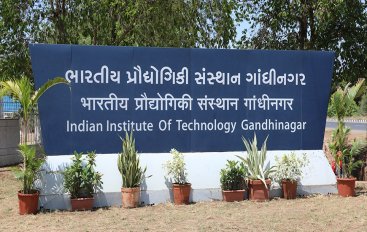
IIT Gandhinagar Establishes AI Resilience & Command Centre For Climate-risk Management
The Indian Institute of Technology (IIT) Gandhinagar has taken a significant step towards addressing the challenges posed by climate change by establishing the AI Resilience & Command Centre (AIRCC). This initiative aims to leverage artificial intelligence (AI) and advanced data analytics to enhance climate-risk management and resilience in the face of environmental challenges.
Background of the Initiative
Climate change is one of the most pressing issues of our time, impacting ecosystems, economies, and communities globally. The increasing frequency and intensity of climate-related events, such as floods, droughts, and heatwaves, necessitate innovative solutions to mitigate risks and adapt to changing conditions. Recognizing this urgent need, IIT Gandhinagar has launched the AIRCC to harness the power of AI in developing effective strategies for climate resilience.
Objectives of the AI Resilience & Command Centre
The AIRCC is designed with several key objectives in mind:
- Data Collection and Analysis: The centre will focus on collecting vast amounts of climate-related data from various sources, including satellite imagery, weather stations, and environmental sensors. Advanced analytics will be employed to interpret this data and identify patterns and trends.
- Predictive Modelling: Utilizing AI algorithms, the centre aims to develop predictive models that can forecast climate-related events and their potential impacts on different regions and sectors.
- Decision Support Systems: The AIRCC will create decision support tools that can assist policymakers and stakeholders in making informed decisions regarding climate adaptation and mitigation strategies.
- Community Engagement: Engaging local communities and stakeholders is crucial for effective climate-risk management. The centre will work to raise awareness and involve communities in resilience-building initiatives.
- Collaboration with Other Institutions: The AIRCC aims to collaborate with governmental bodies, NGOs, and other academic institutions to create a comprehensive approach to climate-risk management.
Significance of AI in Climate-risk Management
Artificial intelligence has the potential to revolutionize how we approach climate change and its associated risks. Here are some ways in which AI can contribute to climate-risk management:
- Enhanced Data Processing: AI can process and analyze large datasets much faster than traditional methods, allowing for real-time insights and quicker response times.
- Improved Accuracy: Machine learning algorithms can improve the accuracy of climate models by learning from historical data and adjusting predictions based on new information.
- Resource Optimization: AI can help optimize resource allocation in disaster response efforts, ensuring that aid reaches the most affected areas promptly.
- Scenario Simulation: AI can simulate various climate scenarios, helping stakeholders understand potential future risks and prepare accordingly.
Key Projects and Research Areas
The AIRCC will focus on several key projects and research areas to fulfill its objectives:
- Urban Climate Resilience: Research will be conducted to understand how urban areas can adapt to climate change, including the development of green infrastructure and sustainable urban planning.
- Agricultural Adaptation: The centre will explore how AI can assist farmers in adapting to changing climate conditions, including crop selection and irrigation management.
- Disaster Risk Reduction: Projects will focus on developing early warning systems for natural disasters, utilizing AI to predict and mitigate risks.
- Water Resource Management: The AIRCC will investigate AI applications in managing water resources, particularly in regions prone to drought or flooding.
Collaborative Efforts and Partnerships
To maximize its impact, the AIRCC will seek partnerships with various organizations and institutions. Collaboration with local governments, NGOs, and international bodies will be essential for sharing knowledge, resources, and best practices. By working together, stakeholders can create a more unified approach to tackling climate risks.
Future Prospects
The establishment of the AIRCC at IIT Gandhinagar marks a promising development in the field of climate-risk management. As the centre begins its operations, it is expected to contribute significantly to research, policy formulation, and community engagement efforts. The integration of AI into climate resilience strategies has the potential to transform how societies respond to environmental challenges.
Conclusion
In conclusion, the AI Resilience & Command Centre at IIT Gandhinagar represents a proactive approach to addressing the multifaceted challenges posed by climate change. By leveraging artificial intelligence and fostering collaboration among various stakeholders, the centre aims to enhance resilience and ensure sustainable development in the face of an uncertain climate future.
Note: The information presented in this article is based on the latest available data and developments as of October 2023.