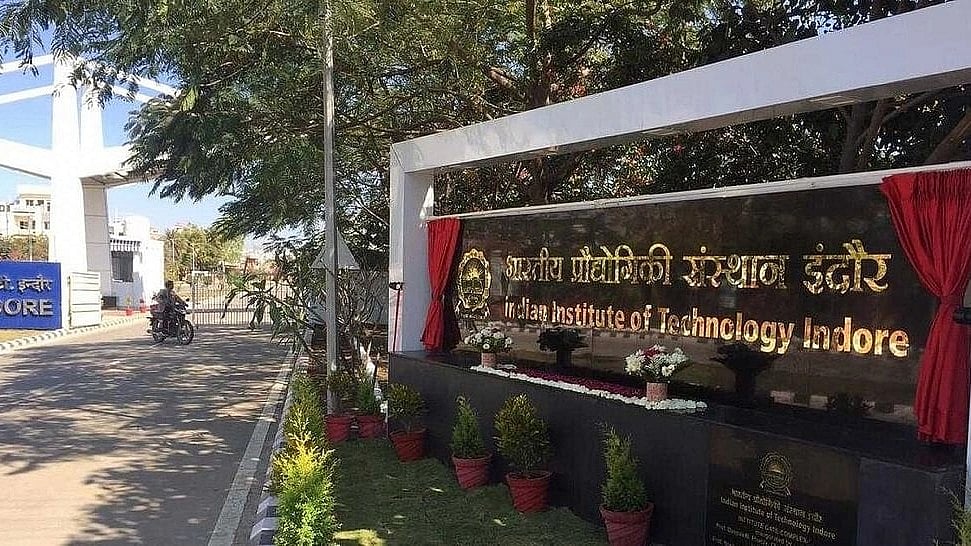
IIT Indore develops AI-driven system to improve road safety, ease traffic
The Indian Institute of Technology (IIT) Indore has made significant strides in enhancing road safety and easing traffic congestion through the development of an innovative artificial intelligence (AI) driven system. This system aims to address the growing concerns regarding road safety and the increasing number of vehicles on the roads, which contribute to traffic jams and accidents.
Background of the Initiative
Road safety is a critical issue in India, where the number of road accidents has been on the rise. According to the Ministry of Road Transport and Highways, India recorded over 150,000 fatalities due to road accidents in 2020 alone. The increasing number of vehicles coupled with inadequate traffic management systems has exacerbated the situation. In light of these challenges, IIT Indore has embarked on a mission to leverage technology to create safer and more efficient roadways.
The AI-Driven System
The AI-driven system developed by IIT Indore utilizes advanced machine learning algorithms and real-time data analytics to monitor traffic patterns and predict potential hazards. The system is designed to integrate with existing traffic management infrastructures, providing valuable insights that can help authorities make informed decisions.
Key Features of the System
- Real-Time Traffic Monitoring: The system continuously collects data from various sources, including traffic cameras, sensors, and GPS devices, to monitor traffic flow and density in real-time.
- Accident Prediction: By analyzing historical data and current traffic conditions, the AI system can predict potential accidents and alert authorities to take preventive measures.
- Traffic Management: The system can optimize traffic signals and suggest alternate routes to alleviate congestion during peak hours.
- Data-Driven Insights: Authorities can access detailed reports and analytics to understand traffic patterns and make necessary infrastructure improvements.
Benefits of the AI System
The implementation of this AI-driven system is expected to yield numerous benefits for urban traffic management and road safety:
1. Enhanced Road Safety
By predicting potential accidents and monitoring traffic conditions, the system aims to reduce the number of road accidents, thereby saving lives and minimizing injuries.
2. Reduced Traffic Congestion
The system’s ability to optimize traffic signals and suggest alternate routes can significantly reduce traffic congestion, leading to shorter travel times and improved air quality.
3. Improved Emergency Response
With real-time data at their disposal, emergency responders can reach accident sites more quickly, potentially saving lives in critical situations.
4. Informed Urban Planning
The data collected by the system can inform urban planners and policymakers about traffic trends, helping them design better road networks and infrastructure.
Implementation and Future Prospects
The IIT Indore team is currently working on pilot projects in collaboration with local government authorities to test the system in real-world scenarios. The initial feedback has been promising, with stakeholders expressing optimism about the potential impact on road safety and traffic management.
Looking ahead, the team plans to enhance the system’s capabilities by incorporating additional features such as:
- Integration with smart city initiatives to create a more connected urban environment.
- Collaboration with automotive manufacturers to enable vehicle-to-infrastructure communication.
- Expansion of the system to cover rural areas, where road safety is equally critical.
Challenges and Considerations
While the AI-driven system presents numerous advantages, there are also challenges to consider:
1. Data Privacy
The collection and analysis of real-time data raise concerns about privacy and data security. It is essential to implement robust measures to protect personal information.
2. Infrastructure Requirements
Effective implementation of the system requires significant investment in infrastructure, including traffic cameras and sensors, which may be a barrier for some regions.
3. Public Acceptance
The success of the system relies on public acceptance and cooperation. Educating the public about the benefits of the technology will be crucial.
Conclusion
The AI-driven system developed by IIT Indore represents a significant advancement in the quest for safer roads and more efficient traffic management. By harnessing the power of artificial intelligence, this initiative has the potential to transform urban transportation and contribute to the reduction of road accidents in India. As the pilot projects move forward, the insights gained will be invaluable in refining the system and expanding its reach.
Note: The information presented in this article is based on the latest developments from IIT Indore and aims to provide an overview of their AI-driven road safety initiative.