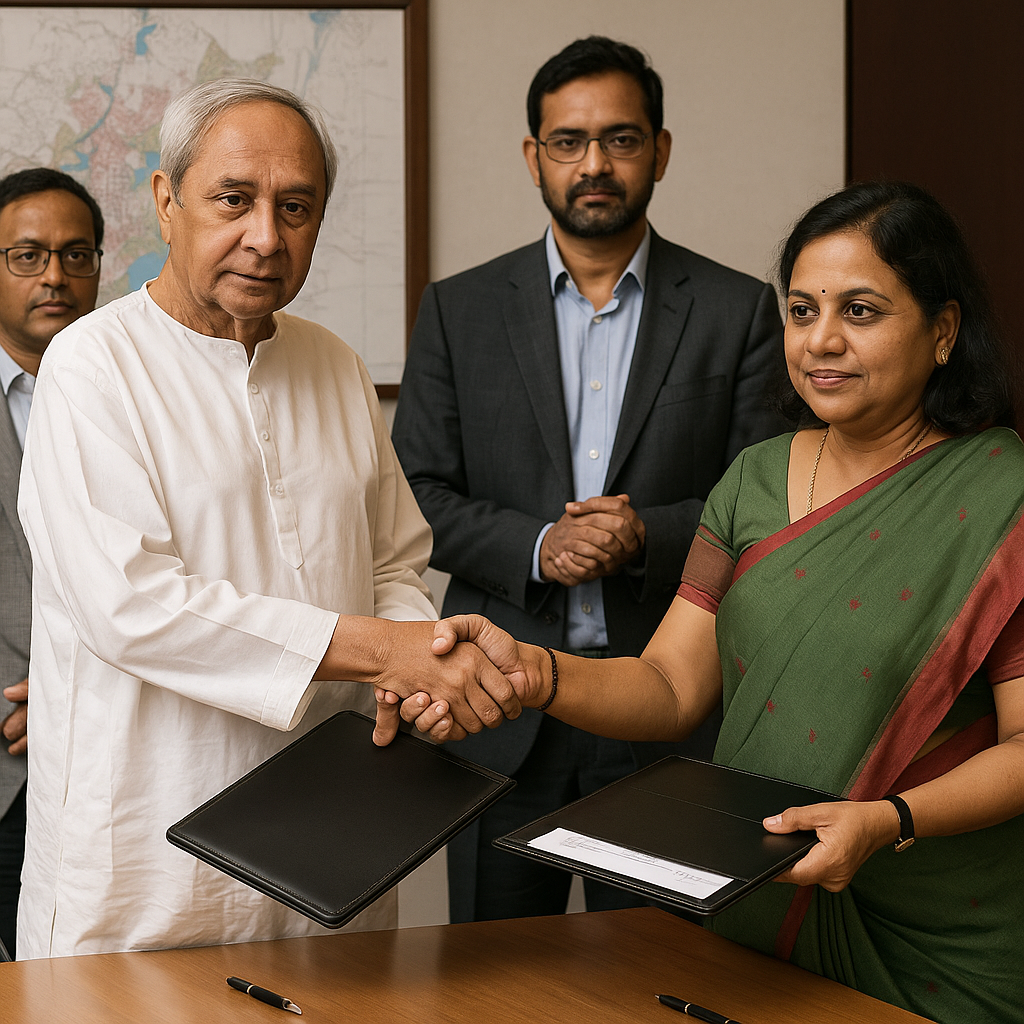
IIT-K hosts UBA session on rural devpt
On March 31, 2026, the Indian Institute of Technology Kanpur (IIT-K) organized an orientation and brainstorming session as part of the Unnat Bharat Abhiyan (UBA) initiative. This event brought together academic institutions, development partners, funding agencies, and volunteers to discuss and collaborate on issues related to rural development.
Overview of the Event
The session was attended by representatives from over 40 institutions across 17 districts, all associated with IIT Kanpur. The workshop aimed to foster collaboration and innovation in addressing the challenges faced by rural communities in India.
Keynote Speakers
The event featured several prominent speakers who shared their insights and experiences regarding rural development:
- Prof. Sandeep Sangal (UBA Coordinator): In his motivational speech, Prof. Sangal shared the journey of UBA at IIT Kanpur and provided actionable points for participants. He emphasized the importance of engaging with school education at the village level, highlighting the mutual benefits for both volunteers and children.
- Prof. Sudhanshu S. Singh (UBA Co-Coordinator): Prof. Singh elaborated on various initiatives under UBA and discussed how technology, training, and capacity building can be leveraged to address local challenges effectively.
- Prof. Raja Angamuthu (Associate Dean, R&D): Prof. Angamuthu shared his vision on how the involvement of IIT students in rural areas could significantly improve the lives of people in those communities.
Unnat Bharat Abhiyan (UBA)
Unnat Bharat Abhiyan is a flagship program initiated by the Government of India aimed at promoting sustainable rural development through the involvement of higher educational institutions. The program encourages universities and colleges to engage with local communities and contribute to their development by addressing their specific needs and challenges.
Objectives and Goals
The primary objectives of UBA include:
- Enhancing the quality of life in rural areas through sustainable development practices.
- Encouraging educational institutions to adopt villages and contribute to their development.
- Fostering innovation and collaboration between academic institutions and rural communities.
- Empowering local populations through capacity building and skill development.
Importance of Collaboration
The success of rural development initiatives greatly depends on collaboration among various stakeholders. The UBA session at IIT-K highlighted the significance of bringing together:
- Academic institutions that can provide research and technological support.
- Development partners who can offer funding and resources.
- Government agencies that can facilitate policy implementation.
- Volunteers who can engage directly with communities.
Impact of Technology in Rural Development
One of the key themes discussed during the session was the role of technology in addressing rural challenges. Some of the ways technology can impact rural development include:
- Access to Information: Technology can provide rural communities with access to vital information regarding health, education, and agricultural practices.
- Improved Agricultural Practices: Technological innovations can lead to better farming techniques, increasing crop yields and sustainability.
- Skill Development: Online training programs can help rural populations acquire new skills, enhancing their employability.
- Entrepreneurship: Technology can facilitate the growth of small businesses in rural areas, providing new job opportunities.
Future Directions
As the UBA initiative continues to grow, there are several future directions that can be explored:
- Strengthening partnerships between educational institutions and rural communities.
- Expanding the scope of UBA to include more districts and institutions.
- Incorporating more diverse stakeholders, including local governments and NGOs.
- Enhancing the use of data and research to inform decision-making and policy implementation.
Conclusion
The UBA session at IIT-K was a significant step towards fostering collaboration and innovation in rural development. By bringing together various stakeholders, the initiative aims to create sustainable solutions that can improve the quality of life in rural areas. The emphasis on education, technology, and community engagement will play a crucial role in achieving the goals of Unnat Bharat Abhiyan.
Note: This article is based on the recent UBA session held at IIT Kanpur and aims to highlight the importance of collaborative efforts in rural development.