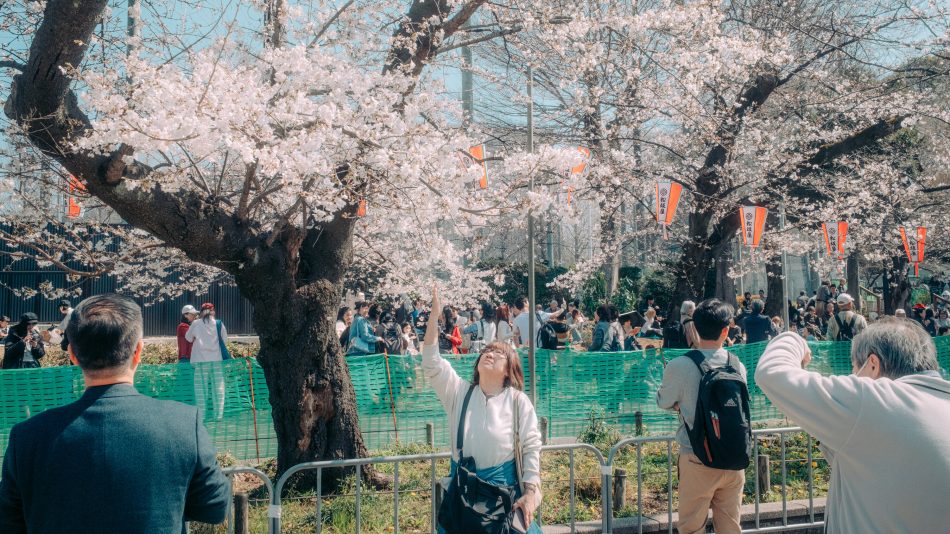
When Will Japan’s Cherry Blossoms Bloom? A.I. Can Help Answer That
Japan’s cherry blossoms, known as “sakura,” are a national symbol and a stunning spectacle that attracts millions of visitors each spring. The timing of the cherry blossom bloom is highly anticipated, as it marks the arrival of spring and is celebrated with hanami, or flower viewing parties. However, predicting the exact timing of this natural phenomenon has always been a challenge due to various environmental factors. Recently, advances in artificial intelligence (A.I.) have opened new avenues for accurately forecasting the bloom of cherry blossoms.
The Significance of Cherry Blossoms in Japan
Cherry blossoms hold deep cultural significance in Japan. They are celebrated not only for their beauty but also for their fleeting nature, which symbolizes the transient nature of life. The cherry blossom season typically begins in late March and can last until early April, depending on the region and weather conditions.
Factors Influencing Bloom Timing
The timing of cherry blossom blooms is influenced by several factors, including:
- Temperature: Warmer temperatures in late winter and early spring can cause cherry trees to bloom earlier.
- Precipitation: Adequate rainfall is essential for the health of the trees and can affect the timing of the blooms.
- Sunlight: The amount of sunlight the trees receive can also impact their blooming schedule.
- Geographical Location: Different regions in Japan experience varying climates, leading to differences in bloom times.
Traditional Methods of Prediction
Historically, the prediction of cherry blossom blooms relied on observational data and historical records. Meteorologists and botanists would analyze past bloom dates and correlate them with weather patterns to make educated guesses about future blooms. However, this method has its limitations, as it does not account for the rapid changes in climate and weather that can occur.
The Role of Artificial Intelligence
With advancements in technology, researchers are now using artificial intelligence to enhance the accuracy of bloom predictions. A.I. can analyze vast amounts of data, including historical bloom dates, temperature records, and weather forecasts, to identify patterns and make predictions with greater precision.
Data Collection
A.I. models require extensive data for training. For cherry blossom predictions, researchers gather data from various sources:
- Historical Bloom Records: Data on when cherry blossoms have bloomed in the past helps establish a baseline for predictions.
- Weather Data: Temperature, precipitation, and sunlight data are collected from meteorological stations across Japan.
- Geospatial Data: Information on the geographical locations of cherry trees is crucial for understanding regional variations in bloom times.
Machine Learning Models
Once the data is collected, machine learning algorithms are employed to analyze it. These models can identify complex relationships between variables that traditional methods may overlook. For example, a model might learn that a specific temperature range in February correlates strongly with earlier bloom dates in March.
Case Studies and Success Stories
Several initiatives in Japan have successfully utilized A.I. to predict cherry blossom blooms. One notable project is the collaboration between meteorologists and data scientists at the Japan Meteorological Corporation. They developed a machine learning model that accurately predicted the bloom dates for several cherry blossom varieties across different regions.
Results of A.I. Predictions
The A.I.-based predictions have shown remarkable accuracy, often aligning closely with actual bloom dates. This has allowed local governments and tourism boards to better plan for the influx of visitors during the cherry blossom season. Additionally, it has helped farmers and businesses prepare for the economic impact of the season.
Challenges and Limitations
While A.I. has significantly improved the accuracy of bloom predictions, challenges remain. Some of the limitations include:
- Data Quality: The accuracy of predictions depends on the quality and completeness of the data collected.
- Climate Variability: Unpredictable weather patterns due to climate change can still pose challenges for accurate forecasting.
- Model Complexity: Developing and maintaining sophisticated A.I. models requires significant expertise and resources.
The Future of Cherry Blossom Predictions
As technology continues to evolve, the future of cherry blossom predictions looks promising. Researchers are exploring the integration of real-time weather data and satellite imagery to enhance the accuracy of A.I. models. Additionally, citizen science initiatives, where individuals contribute bloom observations, could provide valuable data for improving predictions.
Conclusion
Japan’s cherry blossoms are a cherished part of the cultural landscape, and understanding when they will bloom is essential for both locals and tourists. The integration of artificial intelligence into bloom prediction represents a significant advancement in this field, allowing for more accurate forecasts and better preparation for the annual celebration of sakura. As researchers continue to refine their models and incorporate new data sources, the future of cherry blossom predictions looks brighter than ever.
Note: This article is based on information available as of October 2023 and may not reflect the most current developments in cherry blossom prediction technology.