
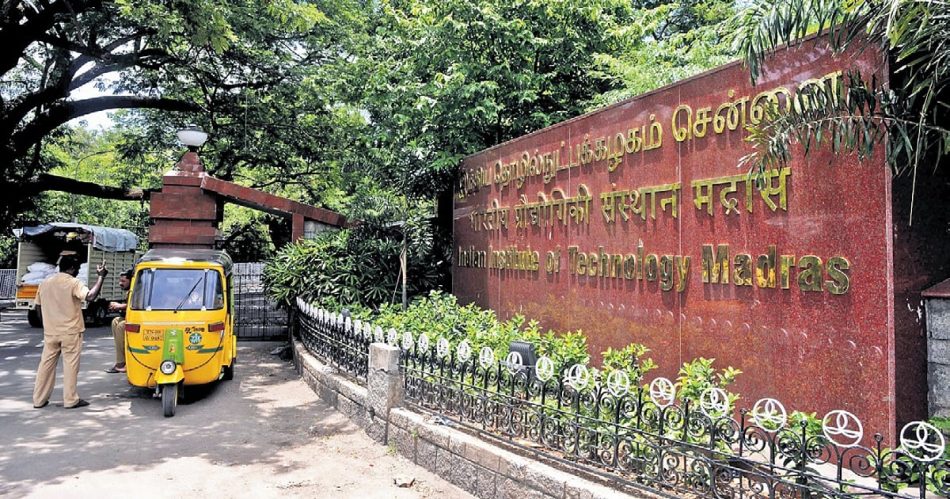
IIT-M and Tamil Nadu Science Council Sign MoU for Research Collaboration
In a significant step towards enhancing scientific research and academic collaboration, the Indian Institute of Technology Madras (IIT-M) and the Tamil Nadu State Council for Science and Technology (TNSCST) have signed a memorandum of understanding (MoU). This partnership aims to foster cooperative research, academic exchanges, and capacity-building initiatives that will benefit students, scholars, and the broader scientific community in Tamil Nadu.
Details of the MoU
The MoU was officially signed by V Kamakoti, the Director of IIT-M, and S Vincent, the Member Secretary of TNSCST. The TNSCST operates as an autonomous apex body under the state’s higher education department, focusing on promoting scientific research and technology development in Tamil Nadu.
Objectives of the Collaboration
The primary objectives of the MoU include:
- Creating a structured framework for cooperation between IIT-M and TNSCST.
- Advancing research initiatives and fostering innovation.
- Extending academic benefits to students and scholars.
- Facilitating joint publications, including conference proceedings and books.
Academic Engagements
As part of the agreement, both institutions will engage in regular academic activities. These will include:
- Joint seminars and workshops.
- Consultations on various scientific topics.
- Collaborative research projects aimed at addressing current scientific challenges.
These engagements are expected to lead to significant contributions to the dissemination of scientific knowledge, which is crucial for the advancement of various fields of study.
Capacity Enhancement Programs
A key focus of the collaboration will be on capacity enhancement programs designed to meet the research needs of young scholars and students. S Vincent emphasized the importance of these programs, stating, “We aim to address the research needs of young scholars and students through targeted initiatives.”
These programs will include:
- Workshops aimed at skill development.
- Training sessions on advanced research methodologies.
- Opportunities for mentorship from experienced researchers.
Resource Sharing and Expert Exchange
The MoU also facilitates the exchange and sharing of scholars, experts, and resources between IIT-M and TNSCST. This will enable wider access to advanced research facilities and expertise, which is essential for conducting high-quality scientific research.
Such collaborations are expected to enhance the research capabilities of both institutions and provide students with valuable insights into the practical aspects of scientific inquiry.
Research Internship Programs
To provide students with practical exposure to research, IIT-M and TNSCST plan to design and implement structured research internship programs. These programs will offer:
- Field-based experiences in various research areas.
- Hands-on training in laboratory settings.
- Opportunities to work alongside experienced researchers on ongoing projects.
Such internships are crucial for bridging the gap between theoretical knowledge and practical application, thereby enhancing the overall educational experience for students.
Impact on the Scientific Community
The collaboration between IIT-M and TNSCST is expected to have a significant impact on the scientific community in Tamil Nadu. By promoting joint research initiatives and academic exchanges, both institutions aim to:
- Encourage innovation and creativity among researchers.
- Enhance the quality of scientific research conducted in the state.
- Contribute to the development of new technologies and solutions to pressing societal challenges.
This partnership is particularly timely, as the need for collaborative research efforts has never been more critical, given the rapid advancements in science and technology.
Conclusion
The signing of the MoU between IIT-M and TNSCST marks a pivotal moment in the pursuit of scientific excellence in Tamil Nadu. By working together, these institutions are poised to make significant contributions to research and innovation, benefiting not only their respective communities but also the broader scientific landscape. The initiatives outlined in the MoU will undoubtedly pave the way for future collaborations and advancements in various fields of study.
Note: The details provided in this article are based on information available as of January 2026.

