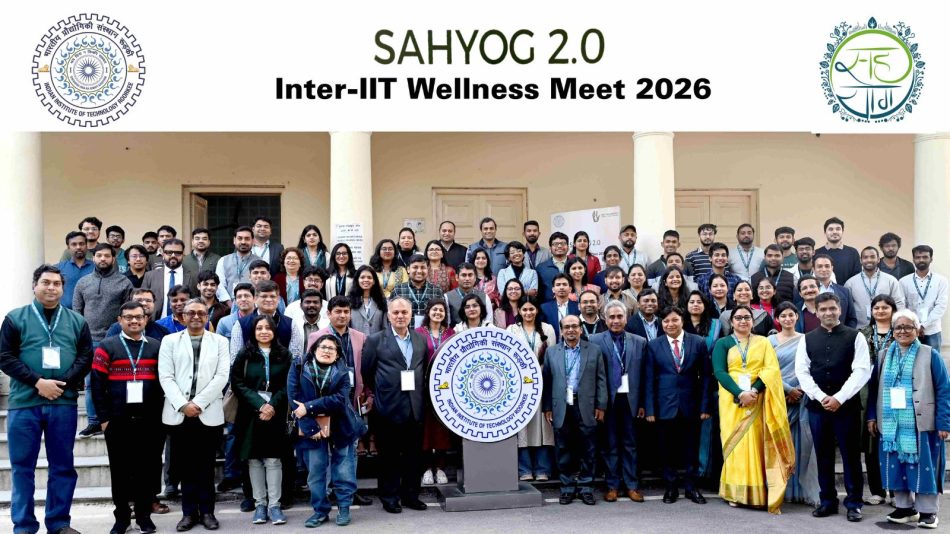
IIT Roorkee Drafts Comprehensive Mental Health Policy for Students
The Indian Institute of Technology (IIT) Roorkee has taken a significant step towards enhancing the mental well-being of its students by drafting a comprehensive mental health policy. This initiative is aimed at addressing the growing concerns related to mental health in academic environments, particularly in the context of the pressures faced by students in competitive educational settings.
Understanding the Need for a Mental Health Policy
The academic environment can be incredibly demanding, with students often facing high levels of stress due to rigorous coursework, examinations, and the pressure to perform. Recognizing the impact of these stressors on mental health, IIT Roorkee has proposed a policy that emphasizes three key approaches: preventive, promotive, and responsive.
Preventive Measures
The preventive aspect of the policy focuses on reducing the incidence of mental health issues among students. This includes:
- Awareness Campaigns: Regular workshops and seminars to educate students about mental health, stress management techniques, and coping strategies.
- Peer Support Programs: Encouraging students to support each other through peer counseling initiatives.
- Orientation Sessions: Incorporating mental health education into the orientation programs for new students to ensure they are aware of available resources and support systems.
Promotive Strategies
The promotive strategies aim to enhance the overall well-being of students. These strategies include:
- Wellness Activities: Organizing physical fitness programs, yoga sessions, and mindfulness workshops to promote a healthy lifestyle.
- Social Engagement: Encouraging participation in extracurricular activities, clubs, and community service to foster a sense of belonging and reduce feelings of isolation.
- Access to Resources: Providing easy access to mental health resources, including counseling services, helplines, and online resources.
Responsive Interventions
The responsive component of the policy is crucial for addressing mental health issues when they arise. This includes:
- Counseling Services: Establishing a robust counseling framework with trained professionals available to assist students in need.
- Emergency Protocols: Developing clear protocols for crisis situations, including immediate support and referral systems for severe cases.
- Feedback Mechanisms: Implementing systems for students to provide feedback on mental health services, ensuring continuous improvement and responsiveness to student needs.
Implementation and Support
The successful implementation of this mental health policy will require collaboration among various stakeholders within the institution. The administration, faculty, and student bodies must work together to create a supportive environment that prioritizes mental health.
Role of Faculty and Staff
Faculty and staff play a critical role in the mental health ecosystem of the institution. Their responsibilities include:
- Training: Participating in training programs to recognize signs of mental distress in students and respond appropriately.
- Creating a Supportive Atmosphere: Fostering an environment where students feel comfortable discussing their mental health challenges without fear of stigma.
- Encouraging Open Communication: Promoting dialogues around mental health topics in classrooms and academic settings.
Student Involvement
Students are encouraged to take an active role in promoting mental health within the campus community. This can be achieved through:
- Student Organizations: Forming clubs or groups focused on mental health advocacy, awareness, and support.
- Peer Counseling: Training students to provide peer support and guidance to their fellow classmates.
- Participation in Policy Development: Involving students in discussions and decisions related to mental health policies and initiatives.
Challenges and Considerations
While the drafting of a mental health policy is a commendable step, several challenges must be addressed to ensure its effectiveness:
- Stigma: Overcoming the stigma associated with mental health issues remains a significant barrier. Continuous efforts are needed to normalize conversations about mental health.
- Resource Allocation: Ensuring adequate funding and resources are available to support mental health initiatives and services.
- Awareness and Education: Ongoing education and awareness campaigns are necessary to keep mental health at the forefront of campus discussions.
Conclusion
The mental health policy drafted by IIT Roorkee represents a proactive approach to addressing the mental health needs of students. By focusing on preventive, promotive, and responsive strategies, the institution aims to create a supportive environment that prioritizes the well-being of its students. As mental health continues to be a critical issue in educational settings, such initiatives are essential in fostering a culture of care and support.
Note: The information provided in this article is based on the latest available data and initiatives as of October 2023.