IIT Tirupati Highlights Plasma Technology for Agriculture
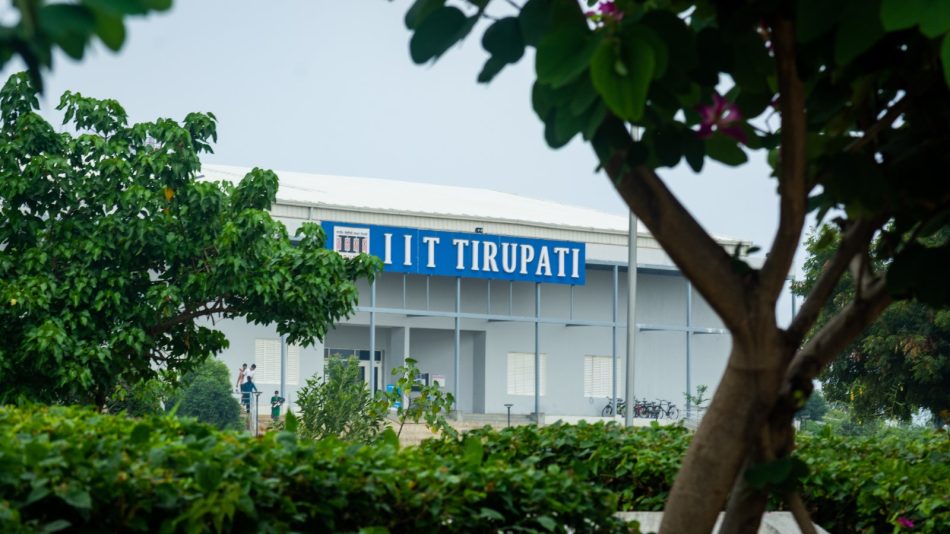
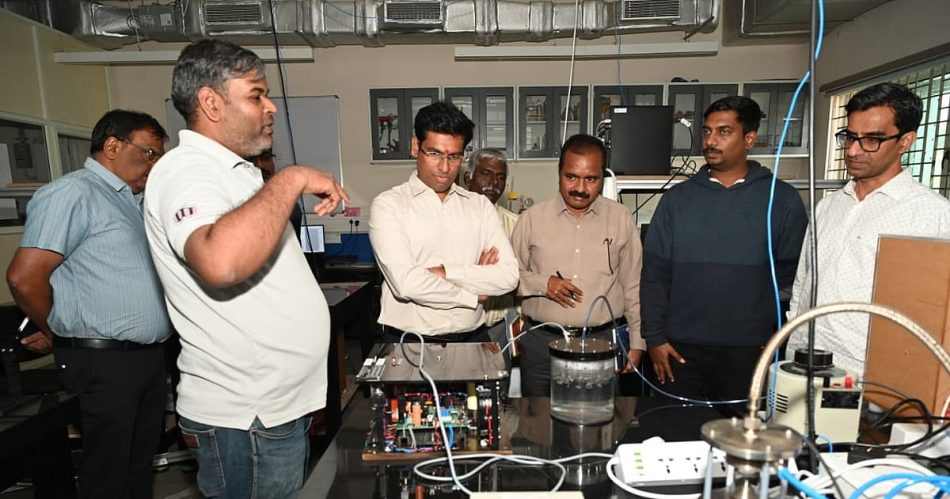
Tirupati, Andhra Pradesh – The Indian Institute of Technology (IIT) Tirupati has recently showcased its innovative non-thermal plasma technology, which has significant implications for agriculture, environmental protection, and industrial processing. This groundbreaking technology was presented to Tirupati District Collector Dr. Venkateswar, who expressed enthusiasm for its potential benefits.
Overview of Plasma Technology
Non-thermal plasma technology operates at near-ambient temperatures and utilizes atmospheric nitrogen to produce water-soluble nitrates and reactive species. These compounds are easily absorbed by crops, presenting a sustainable alternative to traditional chemical fertilizers. This method not only enhances nutrient availability but also reduces the reliance on imported fertilizers, making it an economically viable option for farmers.
Key Features of the Technology
The plasma technology developed by IIT Tirupati has several notable features:
- Decentralized Production: The technology allows for the scalable production of nutrient-rich liquid fertilizers, which can be generated locally, thereby reducing transportation costs and improving accessibility for farmers.
- Biocidal Properties: The system demonstrates the ability to neutralize pathogens, fungi, and food toxins without leaving harmful residues. This dual functionality supports plant health and enhances crop resilience.
- Energy Efficiency: Operating at near-ambient temperatures, the technology generates reactive oxygen and nitrogen species without the need for added chemicals, making it an energy-efficient solution for agricultural practices.
- Versatility: In addition to seed treatment, the technology can be utilized for wastewater purification, further contributing to environmental sustainability.
Benefits for Agriculture
The application of non-thermal plasma technology in agriculture offers several benefits:
- Sustainable Fertilization: By converting atmospheric nitrogen into usable forms for plants, this technology reduces the need for chemical fertilizers, which can have negative environmental impacts.
- Enhanced Crop Yield: The improved nutrient absorption leads to better plant health, increased seed germination rates, and ultimately higher crop yields.
- Environmental Protection: The biocidal properties of the technology help in reducing the incidence of crop diseases, thereby minimizing the need for chemical pesticides.
- Cost-Effectiveness: Farmers can potentially save on fertilizer costs and improve their profit margins by utilizing locally produced plasma-based fertilizers.
Research and Development Team
The Plasma Research Group and Water Quality Research Group at IIT Tirupati are led by:
- Prof. Shihabudheen M Maliyekkal: An expert in plasma technology and its applications.
- Dr. Reetesh Kumar Gangwar: A researcher focused on the environmental applications of plasma science.
The collaboration between these two groups has resulted in significant advancements in the field of plasma technology, particularly in its application to agriculture.
Recognition and Future Prospects
Dr. Venkateswar commended the team at IIT Tirupati for their innovative approach and practical applications of plasma science. He described the technology as “very interesting” and emphasized its potential to transform agricultural practices in the region.
Looking ahead, the research team aims to further develop and optimize the plasma systems for broader agricultural use. This includes conducting field trials to assess the effectiveness of the technology in various crop types and environmental conditions.
Conclusion
The introduction of non-thermal plasma technology by IIT Tirupati marks a significant advancement in sustainable agricultural practices. By providing a viable alternative to chemical fertilizers, this technology not only promotes environmental stewardship but also enhances food security and farmer livelihoods. As research continues and the technology is further refined, it holds the promise of revolutionizing agriculture in India and beyond.
Note: The information presented in this article is based on recent developments at IIT Tirupati as of January 31, 2026, and is subject to change as further research and applications are explored.