

India’s Top IITs Rank Slip as Universities from China, Singapore Surge Ahead: QS Asia Rankings 2026
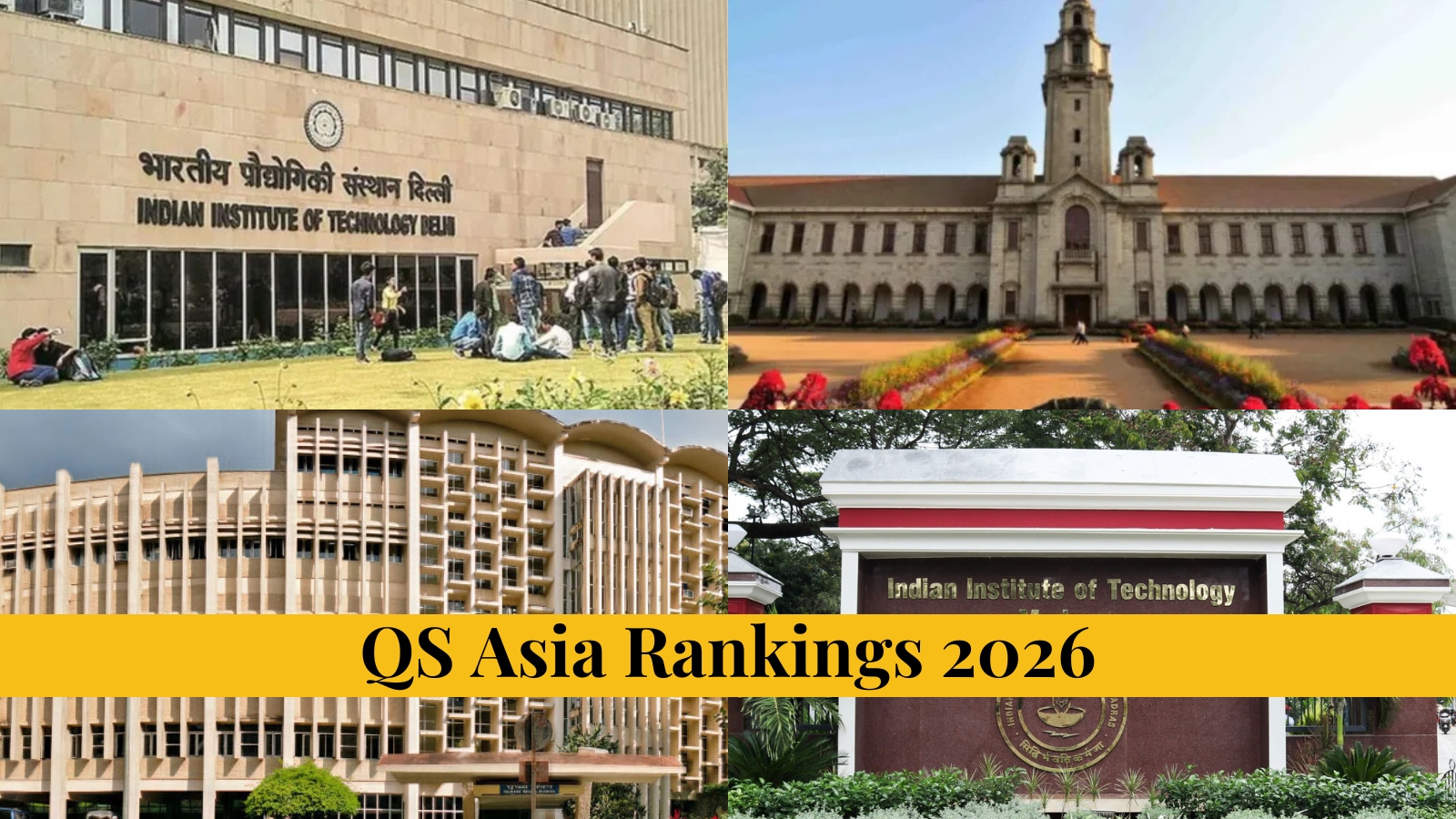
Nine of India’s top 10 institutions, including seven IITs, see sharp rank falls in QS Asia 2026 list even as their scores improve — a sign of stronger competition from East and Southeast Asia.
Overview of QS Asia Rankings 2026
The QS Asia Rankings for 2026 have revealed a significant shift in the academic landscape of Asia, with many universities from China and Singapore climbing the ranks. This development has resulted in a notable decline in the rankings of several prestigious Indian institutions, particularly the Indian Institutes of Technology (IITs).
Key Findings from the Rankings
According to the QS Asia Rankings 2026, the following key trends have emerged:
- India’s leading institutions, including seven IITs, have experienced a drop in their rankings.
- Despite improvements in their overall scores, these institutions are facing increased competition from universities in East and Southeast Asia.
- Chinese universities, particularly Tsinghua University and Peking University, continue to dominate the rankings.
- Singaporean institutions, such as the National University of Singapore (NUS) and Nanyang Technological University (NTU), have also seen significant advancements.
Impact on Indian Institutions
The decline in rankings for Indian institutions raises concerns about the future of higher education in the country. The IITs, which have long been regarded as some of the best engineering schools in the world, are now facing challenges that could impact their global reputation.
Top Indian Institutions and Their Rankings
Here are some of the top Indian institutions and their respective rankings in the QS Asia Rankings 2026:
- IIT Delhi: Ranked 12th
- IIT Bombay: Ranked 14th
- IIT Madras: Ranked 15th
- IISc Bangalore: Ranked 16th
- IIT Kharagpur: Ranked 22nd
- IIT Roorkee: Ranked 27th
- IIT Kanpur: Ranked 30th
Reasons Behind the Decline
The decline in rankings can be attributed to several factors:
- Increased Competition: Universities in China and Singapore are investing heavily in research and infrastructure, making them more attractive to students and faculty.
- Globalization of Education: The global academic environment is becoming increasingly competitive, with institutions worldwide vying for top positions.
- Research Output: The volume and impact of research publications from East and Southeast Asian universities have surged, contributing to their rise in rankings.
Future Implications for Indian Education
The slip in rankings for Indian IITs and other institutions may have long-term implications for the country’s educational landscape. Here are some potential outcomes:
- Need for Reform: Indian universities may need to reevaluate their strategies and focus on enhancing research quality and international collaboration.
- Attracting Talent: To compete globally, Indian institutions must attract top talent from around the world, including faculty and students.
- Government Support: Increased investment from the government in higher education could help improve rankings and overall educational quality.
Conclusion
The QS Asia Rankings 2026 highlight a critical juncture for Indian higher education, particularly for the IITs. As competition intensifies from universities in China and Singapore, Indian institutions must adapt and innovate to maintain their standing in the global academic arena.
Note: The information presented in this article is based on the QS Asia Rankings 2026 and aims to provide insights into the current state of higher education in India.

