India’s Top Tech Schools See Opportunity in Trump’s H-1B Curbs
In recent years, the H-1B visa program in the United States has been a focal point of immigration policy, especially during Donald Trump’s presidency. The program, which allows American companies to employ foreign workers in specialty occupations, has faced numerous restrictions and alterations. These changes have sparked a significant response from India’s premier technology institutions, which see a unique opportunity arising from the evolving landscape of U.S. immigration policy.
Understanding the H-1B Visa Program
The H-1B visa is crucial for many Indian professionals, particularly in the technology sector. It allows companies to hire foreign workers with specialized skills, which are often in short supply in the U.S. labor market. However, the program has been criticized for allowing companies to undercut American wages and for the perceived over-reliance on foreign talent.
Trump Administration’s Changes to H-1B
Under the Trump administration, several measures were introduced to tighten the H-1B visa program. These included:
- Increased scrutiny of applications
- Higher minimum salary requirements for applicants
- Restrictions on the types of jobs eligible for H-1B sponsorship
- Greater emphasis on the hiring of American workers
These changes led to a decrease in the number of H-1B visas granted, creating uncertainty for many Indian tech graduates who aspired to work in the U.S.
Impact on Indian Tech Schools
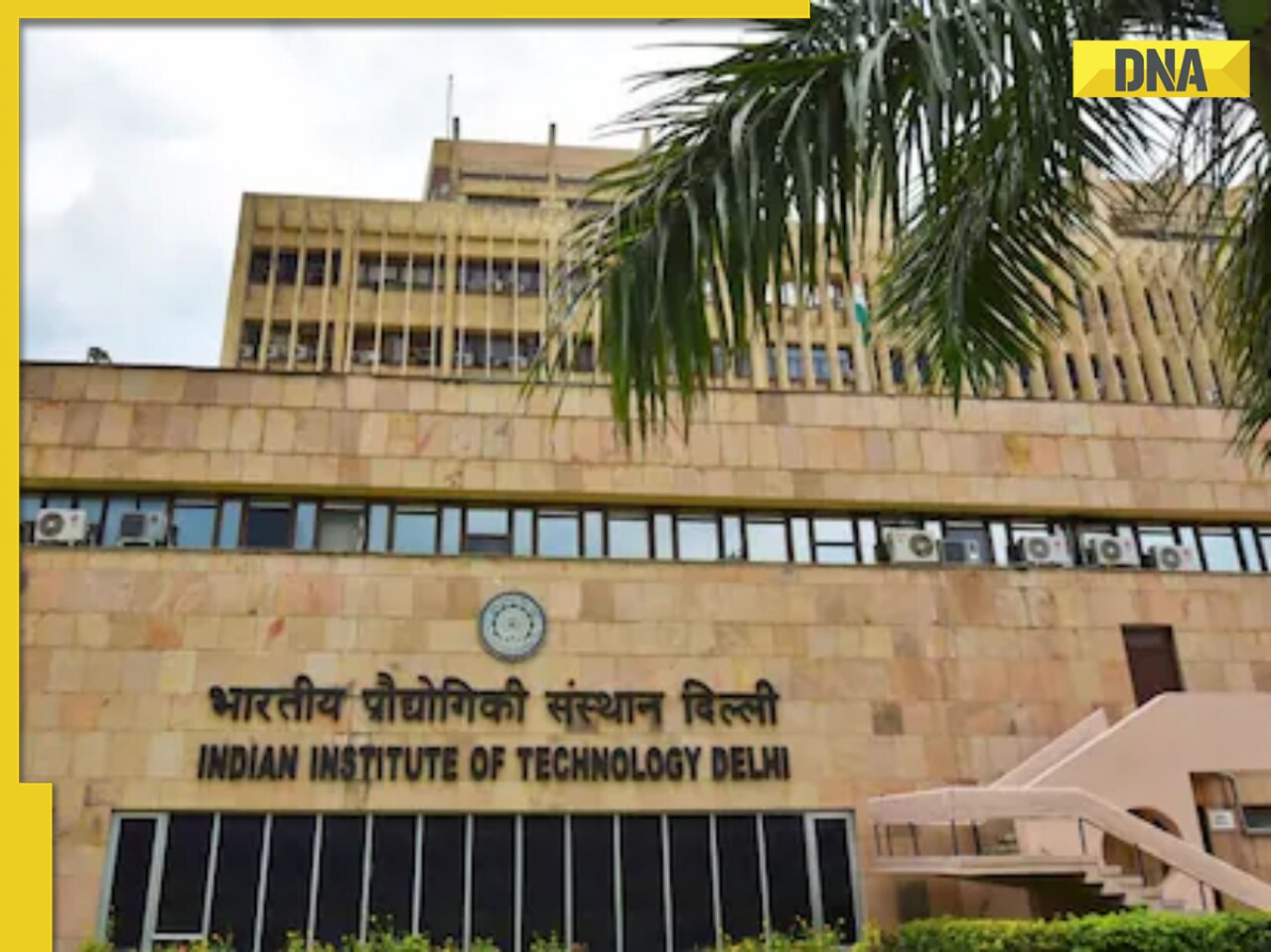
India is home to some of the world’s leading technology institutions, including the Indian Institutes of Technology (IITs) and Indian Institutes of Information Technology (IIITs). These schools have traditionally produced a large number of graduates who seek employment in the U.S. tech industry. The tightening of H-1B visa regulations has prompted these institutions to reassess their strategies.
Shifting Focus to Domestic Opportunities
As the pathway to U.S. employment becomes more complicated, Indian tech schools are increasingly focusing on domestic job markets. Many institutions are enhancing their curricula to align more closely with the needs of Indian companies, which are rapidly expanding and require skilled tech professionals.
Encouraging Entrepreneurship
In response to the changing landscape, many tech schools are also fostering entrepreneurship among their students. Initiatives include:
- Startup incubators and accelerators
- Workshops on business development and management
- Collaboration with venture capitalists and industry leaders
By encouraging students to start their own ventures, these institutions aim to cultivate a robust entrepreneurial ecosystem in India.
International Collaborations
Despite the challenges posed by H-1B visa restrictions, Indian tech schools are also exploring international collaborations. Partnerships with foreign universities and tech companies can provide students with exposure to global practices and technologies, enhancing their employability both domestically and internationally.
Exchange Programs
Many institutions are establishing exchange programs that allow students to study abroad for short periods. These programs not only enrich the students’ educational experience but also help them build networks that can be beneficial in their future careers.
Future Outlook
While the H-1B visa program’s restrictions pose challenges for Indian tech graduates, they also present opportunities for innovation and growth within India. As tech schools adapt to these changes, they are likely to play a pivotal role in shaping the future of the Indian tech industry.
With a focus on domestic job creation, entrepreneurship, and international collaboration, Indian tech institutions are poised to thrive in an evolving global landscape. The current situation may very well lead to a stronger, more self-sufficient tech ecosystem in India, capable of competing on the world stage.
Note: The information presented in this article is based on data and trends observed up to October 2023. It is advisable to consult current sources for the latest developments in H-1B visa regulations and the Indian tech education landscape.