Invisible datacentres and capricious chips: is UK’s AI bubble about to burst?
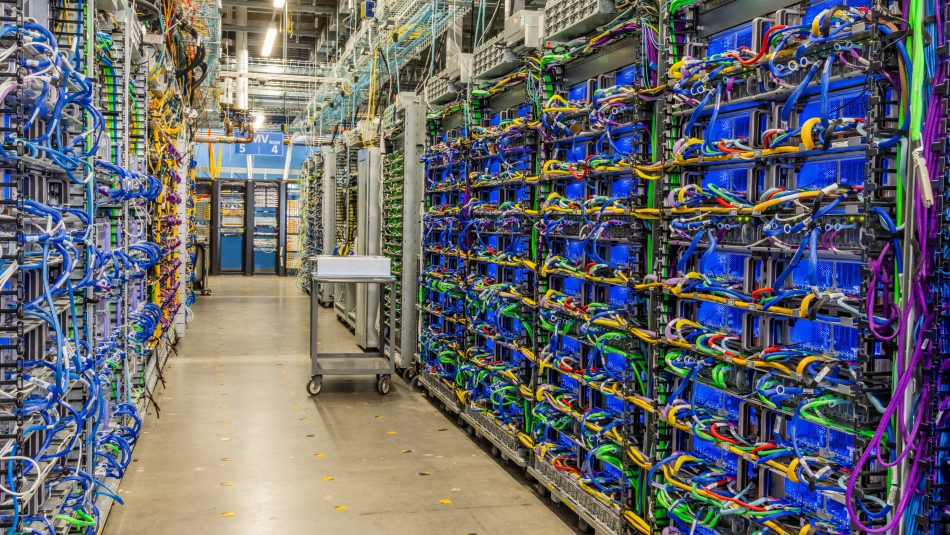
The datacentre investment boom represents one of the most significant infrastructure gambles of our era, particularly in the United Kingdom, which may be uniquely exposed to the risks involved. As the AI sector continues to grow, concerns are mounting about the sustainability of this growth and the potential for a market correction reminiscent of the 2001 dotcom crash.
The Ambitious Stargate Project
One of the most notable initiatives in the AI landscape is the Stargate project, which was touted as the world’s largest AI investment, with a staggering budget of $500 billion. This initiative aimed to secure American leadership in AI, with OpenAI, the creator of ChatGPT, as a key backer. The project promised to deliver “massive economic benefits for the entire world,” focusing on facilities designed to help humanity leverage AI for betterment.
However, recent developments indicate that OpenAI may be withdrawing from a crucial aspect of the Stargate project, specifically the expansion of a flagship datacentre in Abilene, Texas. Reports suggest that negotiations regarding project financing and timelines have broken down, raising concerns about the viability of the investment.
Impact on Partners and Investors
While OpenAI may find alternative datacentre solutions, its partner, Oracle, which has already invested billions in hardware for the Abilene site, faces significant risks. The breakdown of this partnership is just one of several cracks appearing in the capital side of the AI economy, which is beginning to make investors uneasy.
Rising Costs and Economic Implications
The stakes are high, as future datacentre leases from major cloud computing companies, including Amazon, Oracle, and Microsoft, have surged nearly 340% in just two years, now exceeding $700 billion. This substantial investment raises questions about the technology’s ability to deliver on its promises of enhanced economic productivity. As of January, the UK reported zero GDP growth, further highlighting the uncertainty surrounding the AI sector.
UK’s AI Deals Under Scrutiny
In a recent investigation, the Guardian uncovered troubling discrepancies in the UK’s flagship AI deals, many of which were announced with considerable fanfare during former President Donald Trump’s state visit last September. The investigation revealed that key projects are either delayed or unlikely to materialize, with many so-called “investments” being little more than vague agreements between predominantly US tech companies.
The Risks of Over-Optimism
Experts like Andy Lawrence, executive director of research at the Uptime Institute, have noted a trend of blind optimism surrounding the buildout of AI infrastructure. While there is an unprecedented boom in construction, many projects are either delayed or will take much longer to complete than initially claimed. This situation has attracted speculators who promise investments but lack experience in the sector.
Case Study: The Loughton Datacentre
A particularly emblematic case is the proposed datacentre in Loughton, Essex, which the UK government claimed would become the “largest UK sovereign AI datacentre” by the end of 2026. Despite the grand promises made by then-technology secretary Peter Kyle, the site remains a scaffolding yard, with little chance of meeting the projected timeline. Nscale, the company responsible for the project, confirmed it had purchased the land only eight months after initially claiming it had done so. As of now, the project still lacks planning permission, with construction slated to begin before July 2026 and a projected completion date between April and July 2027.
The Political Landscape
The shaky nature of these AI deals coincides with a growing alliance between US tech corporations and politicians in both the US and UK. High-profile figures from the tech sector have taken on advisory roles in government, influencing AI policy in ways that often favor US interests. The UK has effectively positioned itself as a staging ground for US-designed hardware, raising questions about its sovereignty in critical technology sectors.
Future Outlook
As the UK government promotes the creation of “sovereign AI infrastructure,” the definition remains contested. It ranges from ensuring hardware and data ownership to maintaining strategic leverage over critical inputs. However, the reliance on US technology raises concerns about the UK’s autonomy in this vital area.
Conclusion
The current landscape of AI investment in the UK is fraught with challenges. The potential for a significant market correction looms large as the cracks in the datacentre boom widen. If these issues are not addressed, the consequences could range from inadequate AI infrastructure to a broader economic downturn reminiscent of the dotcom crash of 2001.
Note: The information presented in this article reflects the current state of the AI sector as of October 2023 and is subject to change as developments unfold.