Literature, Memory and Gender Take Centre Stage at IIT Bhilai Conference
The Department of Liberal Arts at the Indian Institute of Technology (IIT) Bhilai recently organized a two-day national conference titled ‘Gendered Modalities of Remembering in South Asian Literatures’. This event took place at the Nalanda Lecture Hall, bringing together faculty members and research scholars from various universities across India. The conference aimed to explore the concept of memory as a gendered and embodied practice within South Asian cultural and literary contexts.
Keynote Lectures
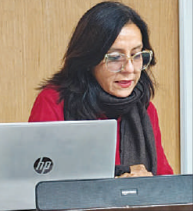
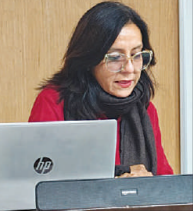
The conference commenced with an insightful keynote lecture delivered by Prof. Simi Malhotra from Jamia Millia Islamia. Her presentation was titled ‘Remembering Two Centuries of Women’s Movements in India: Memory and the Rethinking of Feminist Historiography’. In her lecture, Prof. Malhotra examined feminist historiography through the lens of memory, emphasizing the importance of remembering as a crucial practice in narrating gendered histories in South Asia.
The second day of the conference featured another keynote address by Dr. Snober Sataravala, Vice Principal of St Mira’s College for Girls in Pune. Her talk, titled “Remembering the Margins: Gender, Minority Memory, and the Politics of Representation in South Asian Literatures”, drew on a variety of cinematic, textual, and oral narratives. Dr. Sataravala explored how minority communities are either remembered or erased in literature, highlighting the role of cultural texts in recovering marginalized histories and presenting alternative ways of remembering.
Thematic Panels
Throughout the conference, academic discussions unfolded across five thematic panels, each addressing different aspects of gendered memory and its representation in literature.
Panel 1: Gendered Voice and Indigenous Aesthetics
The opening panel focused on gendered voice and indigenous aesthetics. It examined folk and tribal art practices as embodied and living archives of memory. Participants discussed how these art forms serve as significant repositories of cultural memory, reflecting the experiences and narratives of marginalized communities.
Panel 2: Gendered Counter-Narratives of Violence
The second panel addressed gendered counter-narratives of violence. Scholars explored how literary and cultural texts articulate themes of survival, resistance, and affective memory. They emphasized the importance of moving beyond official historiographies to capture the lived experiences of individuals affected by violence, thereby creating a more nuanced understanding of gendered memory.
Panel 3: Vulnerability, Caste, and Identity
The third panel turned its focus to vulnerability, caste, and identity. Discussions highlighted the intersections of caste and gender in literary testimonies and narrative memory. Scholars shared insights on how these intersections shape individual identities and experiences, revealing the complexities of memory formation in a stratified society.
Panel 4: Kinship, Domesticity, and National Memory
The fourth panel brought attention to kinship, domesticity, and national memory. Participants analyzed maternal legacies, everyday spaces, and gendered notions of duty as major sites of remembrance. This panel underscored the significance of domestic spaces in shaping collective memory and national identity, particularly in the context of women’s roles in society.
Panel 5: Diegetic and Vernacular Expressions of Memory
The conference concluded with a panel on diegetic and vernacular expressions of memory. This discussion explored alternative mnemonic repositories that challenge dominant, text-centric forms of remembering. Scholars presented various examples of how vernacular narratives and oral histories serve as vital tools for preserving memory and countering mainstream historical accounts.
Conclusion
Collectively, the panels highlighted how gendered memory functions as an active practice shaped by various factors such as embodiment, affect, socio-cultural hierarchies, and narrative form. The conference underscored the critical role of literature and cultural texts in amplifying marginalized voices and creating counter-narratives that challenge dominant modes of remembrance in South Asia.
Note: The insights shared during this conference contribute significantly to the ongoing discourse surrounding gender, memory, and representation in South Asian literatures, fostering a deeper understanding of these interconnected themes.