Mystery sitter in Holbein portrait could be Anne Boleyn, AI analysis finds
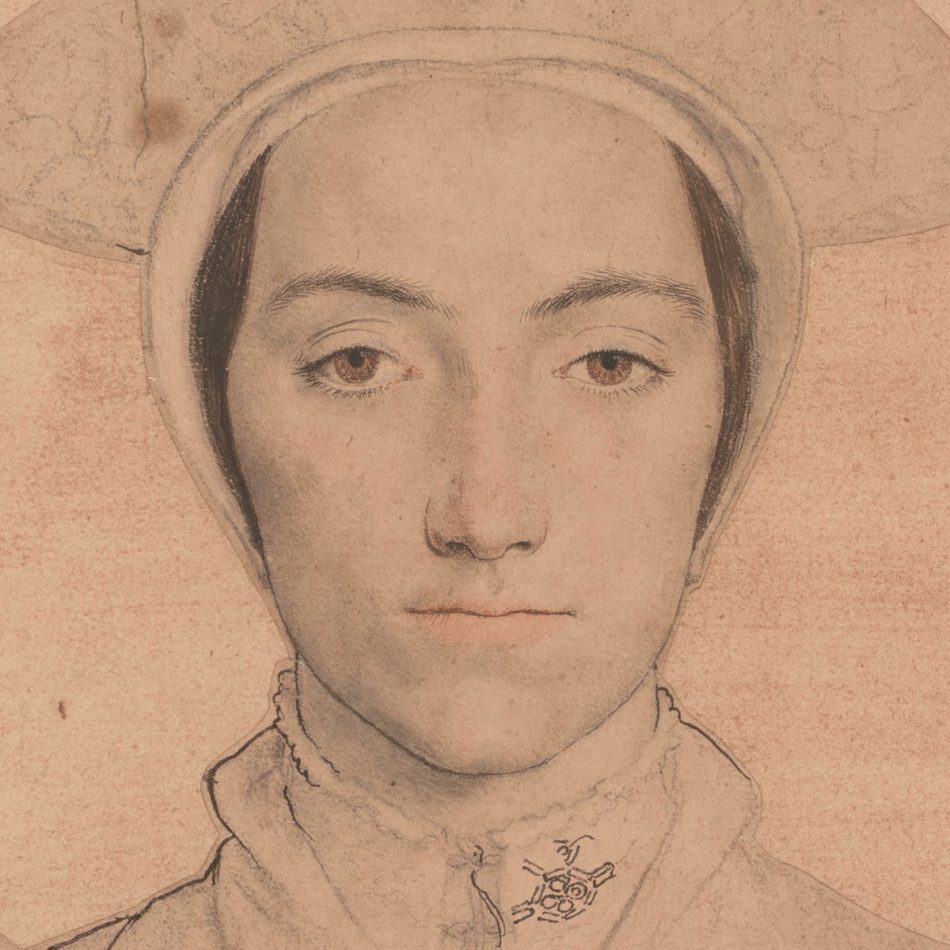
Recent research has shed new light on two small sketches by the renowned Renaissance artist Hans Holbein, suggesting that an unidentified woman depicted in one of the works could actually be Anne Boleyn, the second wife of Henry VIII. The findings, which utilize artificial intelligence (AI) analysis, challenge long-standing assumptions about the identities of these historical figures.
The Background of the Portraits
Holbein created numerous portraits during his time at the Tudor court, capturing the essence of the era and its key figures. Among his works are two sketches that have puzzled historians for centuries. One sketch, known as the Windsor sketch, has traditionally been attributed to Boleyn, while the other, simply referred to as the Unidentified Woman, has remained nameless.
AI Analysis and Findings
A team of researchers from the University of Bradford, led by independent scholar Karen Davies and Professor Hassan Ugail, employed AI technology to analyze the Holbein corpus, which consists of over 80 images. The AI model was designed to recognize patterns and similarities among the artworks, allowing the researchers to create a comprehensive matrix for comparison.
During their analysis, the researchers discovered that the Unidentified Woman’s features—light skin and red hair—differed significantly from the descriptions of Boleyn, who was often characterized as having a darker complexion. This discrepancy led the team to reconsider the identities of the two figures. The AI analysis suggested that the Unidentified Woman might actually be Boleyn, while the Windsor sketch could represent Elizabeth Howard, Boleyn’s mother.
Historical Context
Anne Boleyn’s life was marked by tragedy and intrigue. She was executed in 1536, just a year after Holbein painted her portrait. The tumultuous period of the English Reformation, which was partly instigated by Henry VIII’s desire to marry Boleyn, adds further complexity to the historical narrative surrounding these portraits.
Holbein, originally from Augsburg, Germany, moved to England to escape the Reformation’s chaos. He became a prominent figure at the Tudor court, painting notable figures such as Thomas More and Henry VIII himself. The portraits he created during this time are considered masterpieces of Renaissance art.
Implications of the Findings
Davies expressed hope that the AI analysis would stimulate further discussion and debate regarding the identities of the figures in Holbein’s works. She emphasized the importance of reassessing historical art, particularly given the inconsistencies in labeling that have persisted over the centuries. For example, a portrait of Boleyn’s cousin, Henry Howard, was misidentified as being of his father, revealing the extent of confusion in the Holbein corpus.
A spokesperson for the Royal Collection Trust acknowledged that the identity of the unnamed sitter has long been a topic of debate. They welcomed the new research and the opportunity for further exploration of the royal collection.
Broader Impact on Art History
This research highlights the potential of AI technology to revolutionize art historical studies. By analyzing artworks in new ways, scholars can uncover hidden connections and challenge established narratives. The findings concerning Holbein’s sketches may prompt a reevaluation of other works attributed to the artist and encourage a more nuanced understanding of the Tudor court.
Conclusion
The possibility that the Unidentified Woman in Holbein’s sketch may be Anne Boleyn opens up exciting avenues for both art historians and enthusiasts alike. As new technologies continue to emerge, the art world may witness a transformation in how we interpret and understand historical works. The debate surrounding these portraits is far from settled, and it is likely to continue as more research is conducted.
Note: The findings discussed in this article are based on the latest research and AI analysis conducted by scholars at the University of Bradford. Further studies may provide additional insights into the identities of the figures in Holbein’s works.