New White House drug abuse strategy floats wastewater testing, AI, more treatment and faith-based options
The Trump administration has unveiled a comprehensive new strategy aimed at addressing drug abuse in the United States. This plan, which is set to be released in a detailed 195-page document, introduces several innovative measures, including wastewater testing, artificial intelligence (AI) applications, and increased access to treatment options, including faith-based initiatives. These strategies are designed to tackle the ongoing drug crisis and reduce the number of overdose deaths across the nation.
Key Components of the Strategy
Among the notable elements of the proposed strategy are:
- Wastewater Testing: The administration plans to implement national wastewater testing to gather real-time data on illegal drug use. This method will help identify trends in drug consumption and trafficking.
- Artificial Intelligence: AI technologies will be employed to screen cargo at ports of entry for illicit drugs and to analyze electronic health records to identify patients at high risk of overdose.
- Faith-Based Treatment Options: The strategy emphasizes the role of faith in treating addiction, encouraging faith leaders to promote drug-free lifestyles and support those struggling with addiction.
- Increased Treatment Accessibility: The plan aims to make treatment for addiction more accessible than purchasing illicit drugs, integrating addiction care with other medical services.
Current Landscape of Drug Abuse
The report comes at a time when overdose deaths in the U.S. have begun to decline after peaking in mid-2023. However, the numbers remain alarmingly high, with over 68,000 deaths reported in the 12-month period ending in November 2023. Despite this decline, the number of individuals reporting illicit drug use has increased, largely due to a rise in marijuana consumption.
Emerging Threats
The strategy outlines several emerging threats in the drug landscape, including:
- Fentanyl-Laced Drugs: The prevalence of fentanyl in various substances poses a significant risk of overdose.
- New Synthetic Drugs: The emergence of new synthetic drugs presents additional challenges for law enforcement and public health.
- Targeted Marketing: The report highlights that marketers of addictive substances are employing strategies reminiscent of historical tactics used by Big Tobacco, particularly targeting young audiences.
Innovative Surveillance Methods
To better understand drug use trends, the White House plans to prioritize innovative surveillance methods. This includes:
- Wastewater-Based Monitoring: A national monitoring system will be established to provide timely and localized data on drug use and trafficking patterns.
- Biologic Specimen Testing: This method will complement wastewater testing to enhance understanding of drug consumption trends.
Role of Faith in Treatment
A unique aspect of the strategy is its emphasis on the role of faith in treating addiction. The document states:
“Secular education and treatment are important, but for those who have faith, adding God into the equation brings in a special power.”
The administration encourages faith leaders to utilize their influence to promote drug-free living and provide support to those battling addiction.
Comprehensive Treatment Approach
The strategy advocates for a comprehensive approach to addiction treatment, which includes:
- Individualized Care: Treatment should be tailored to meet the unique needs of each individual.
- Medication-Based Treatments: Support for medication-assisted treatment for opioid use disorder is a priority, with research encouraged into similar treatments for methamphetamine, cocaine, and marijuana.
Preventing Overdose Fatalities
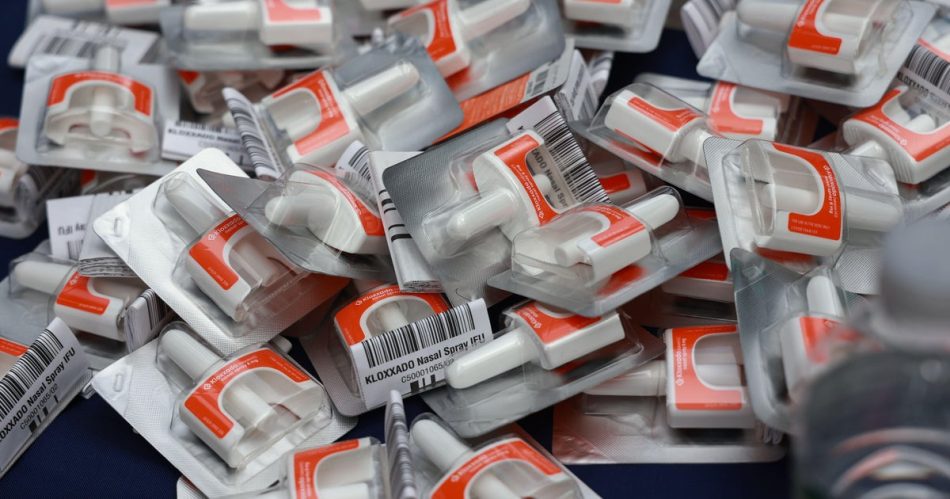
To combat the rising number of overdose fatalities, the strategy emphasizes the importance of making naloxone, an overdose-reversing medication, as accessible as epinephrine for allergic reactions. Additionally, fentanyl test strips are identified as valuable tools for detecting contaminated drugs, although recent guidance from the Substance Abuse and Mental Health Services Administration has restricted their purchase with federal grants.
Law Enforcement and Drug Supply Control
The document reinforces the critical role of law enforcement in curbing the distribution of illicit drugs. The administration’s approach includes:
- Crackdown on Foreign Suppliers: The strategy reflects a commitment to targeting foreign drug cartels, with some designated as foreign terror organizations.
- Operational Strikes: The administration has conducted operations against suspected drug trafficking vessels in the Caribbean and Pacific.
Conclusion
The new drug abuse strategy proposed by the Trump administration represents a multifaceted approach to tackling addiction in the United States. By integrating innovative technologies, emphasizing faith-based treatment, and enhancing access to care, the administration aims to address the complex challenges posed by drug abuse and its impact on society.
Note: This article is based on information available as of October 2023 and reflects the ongoing efforts of the U.S. government in addressing drug abuse and addiction.