Rana Addresses Tribal Heritage Mapping Workshop at IIT Jammu
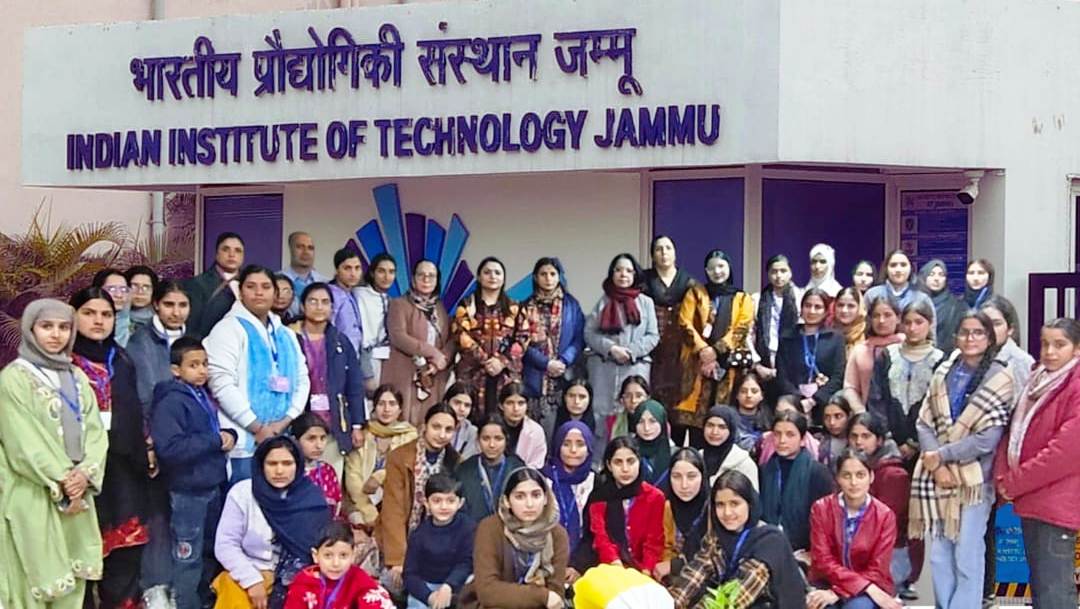
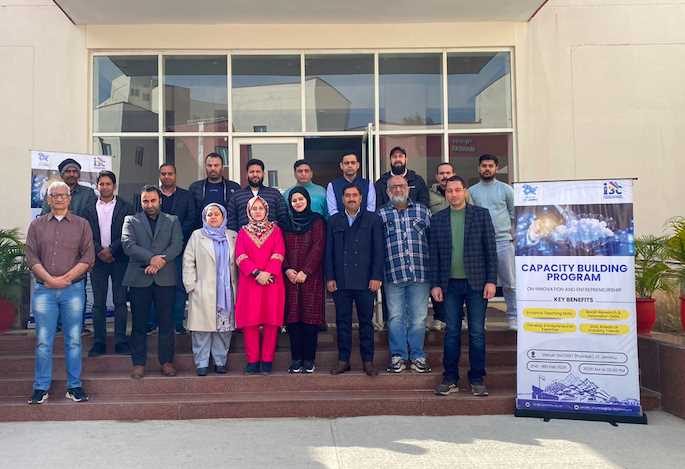
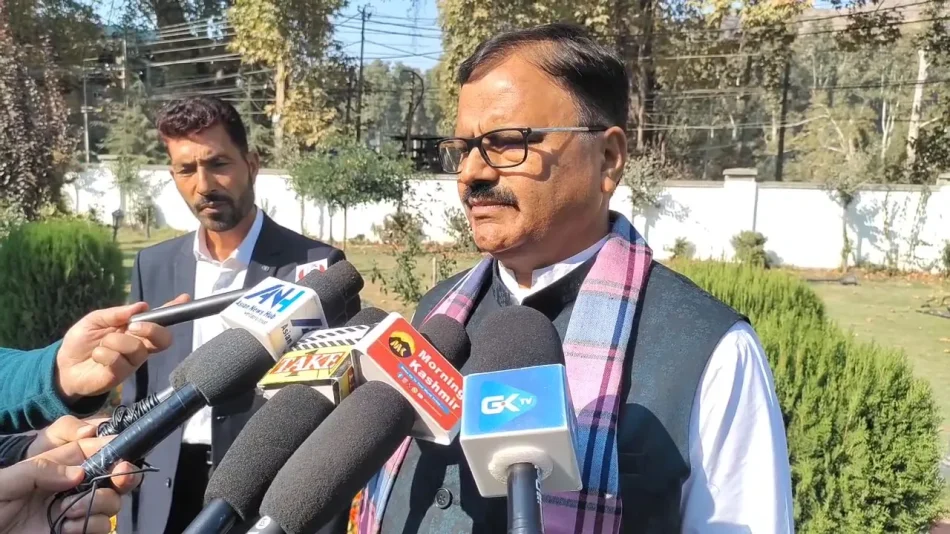
On January 13, 2026, Javed Ahmed Rana, the Minister for Jal Shakti, Forest, Ecology & Environment, and Tribal Affairs, served as the chief guest at a workshop titled “Mapping Tribal Heritage,” organized by the Indian Institute of Technology (IIT) Jammu. The workshop aimed to explore the importance of tribal heritage and the methodologies for its preservation.
Understanding Tribal Heritage
During his address, Minister Rana emphasized that tribal heritage is not merely an artifact of the past but a living, dynamic knowledge system that is deeply embedded in the language, belief structures, customary practices, and social organization of indigenous communities. He articulated the need for a participatory, community-driven research framework that acknowledges indigenous epistemologies and lived traditions.
The Importance of Community Involvement
Rana asserted that the preservation of tribal heritage cannot be viewed as an external intervention. Instead, it must be rooted in community stewardship and intergenerational transmission. He stated, “Tribal heritage can survive only when communities become active custodians of their own traditions. Preservation must evolve organically from within those who live, practice, and transmit this heritage every day.”
Language and Cultural Continuity
Highlighting the intrinsic relationship between language vitality and cultural continuity, the Minister pointed out that languages can only survive through sustained community use and institutional support. He specifically referred to Gojri, a language that is not merely a contemporary mode of communication but one with a rich historical and civilizational lineage. According to Rana, the speakers of Gojri are its authentic inheritors and protectors.
IIT Jammu’s Pioneering Engagement
Rana praised IIT Jammu for its pioneering engagement with tribal research, describing the initiative as socially responsive. He acknowledged that the Institute has ventured into an area where few technical institutions have tread, integrating technology-driven methodologies with humanities-based inquiry to preserve cultural heritage for future generations.
Workshop Focus Areas
The workshop focused on several key areas:
- Digital Documentation: Exploring the use of technology in documenting tribal heritage.
- Archival Technologies: Discussing methods for preserving oral narratives and cultural expressions.
- Critical Engagement: Encouraging interaction with socio-cultural formations of indigenous communities across India.
Significance of Indigenous Knowledge
Rana underscored the importance of indigenous knowledge systems in safeguarding cultural heritage. He noted that these systems are often overlooked in mainstream academic discourse but are vital for understanding the complexities of tribal identities and practices. The Minister called for a shift in perspective, advocating for the inclusion of indigenous voices in the narrative surrounding cultural preservation.
Future Directions
Looking ahead, Minister Rana expressed hope that workshops like these would inspire further research and collaboration between academic institutions and tribal communities. He encouraged participants to think critically about the role of technology in cultural preservation and the ethical considerations that come with it.
Conclusion
In conclusion, the workshop at IIT Jammu served as a vital platform for discussing the preservation of tribal heritage through community engagement and technological innovation. As Minister Rana aptly noted, the future of tribal heritage lies in the hands of the communities that embody it. By fostering a collaborative approach, it is possible to ensure that these rich cultural traditions are not only preserved but also celebrated for generations to come.
Note: The preservation of tribal heritage is essential for maintaining cultural diversity and promoting social cohesion within society.