Renaissance 2.0: Global Dialogue for Collaborative Growth at IIT Kharagpur
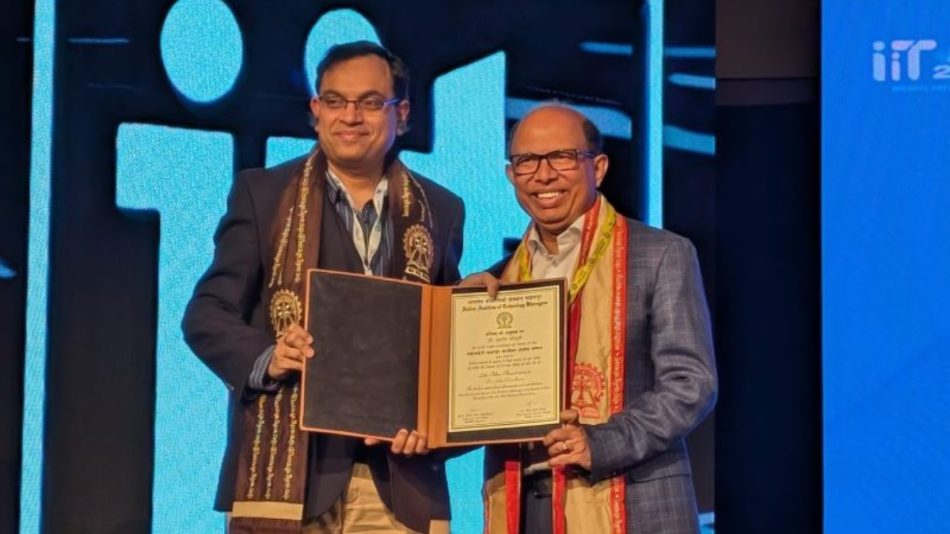
IIT Kharagpur recently hosted an international conference titled ‘Renaissance 2.0: Parliament of Enlightened Thoughts Towards Collaborative Prosperity’. This significant event, which was held in partnership with the US-based non-profit organization, The Boston Pledge, aimed to foster global collaboration for shared growth and ethical innovation. The conference was part of the institute’s platinum jubilee celebrations and attracted a diverse group of attendees, including prominent figures from education and industry.
Inspiration Behind the Conference
The conference drew inspiration from the historic Chicago Parliament of the World’s Religions, which took place in 1893. This event was renowned for its emphasis on dialogue among different faiths and cultures, promoting understanding and cooperation. Similarly, the Renaissance 2.0 conference sought to address the pressing challenges of the 21st century through a lens of spirituality and education.
Key Themes and Objectives
The primary objectives of the Renaissance 2.0 conference included:
- Initiating a global dialogue focused on collaborative prosperity.
- Promoting ethical innovation across various sectors.
- Emphasizing the role of spirituality in addressing contemporary issues.
- Encouraging actionable projects that contribute to human well-being.
Notable Attendees
The conference featured several distinguished guests, including:
- Sukanta Majumdar, Union Minister of State for Education
- Professor Suman Chakraborty, Director of IIT Kharagpur
- Harshvardhan Neotia, prominent industrialist
These attendees brought valuable perspectives and insights that enriched the discussions and contributed to the overall success of the event.
Discussions and Outcomes
Throughout the conference, delegates engaged in meaningful discussions on various topics related to education, spirituality, and innovation. The dialogues aimed to identify practical solutions to global challenges, fostering a spirit of collaboration among participants. Key outcomes included:
- A commitment to develop projects that leverage technology for educational advancement.
- Strategies to incorporate ethical considerations into innovation processes.
- Plans for ongoing collaboration between educational institutions and industries.
The Role of Education
Education was a central theme of the conference, with discussions highlighting its critical role in shaping future leaders. The need for an education system that not only imparts knowledge but also instills values of ethics and spirituality was emphasized. Participants recognized that education must evolve to meet the demands of a rapidly changing world.
Spirituality and Innovation
The conference also explored the intersection of spirituality and innovation. It was suggested that a spiritually-informed approach to innovation could lead to more sustainable and ethical practices. By fostering a sense of responsibility and interconnectedness, innovators can create solutions that benefit not just individuals but society as a whole.
Future Directions
Looking ahead, the Renaissance 2.0 conference set the stage for future collaborations aimed at addressing global challenges. The delegates expressed a strong desire to continue the dialogue initiated during the conference and to transform discussions into concrete actions. Potential areas for future collaboration include:
- Research initiatives that focus on sustainable development.
- Educational programs that integrate ethical innovation.
- Partnerships between academia and industry to drive technological advancements.
Conclusion
The Renaissance 2.0 conference at IIT Kharagpur was a significant step towards fostering global dialogue and collaboration for shared growth and ethical innovation. By drawing on the lessons of the past and focusing on the pressing issues of the present, attendees laid the groundwork for a more collaborative and prosperous future. As the world continues to face complex challenges, events like Renaissance 2.0 remind us of the power of dialogue, spirituality, and education in shaping a better tomorrow.
Note: This article is based on the fictional representation of the event and does not depict any real-life occurrence.