S. Jaishankar at IIT Madras: Remarks on India, Democracy, and Relations with the West
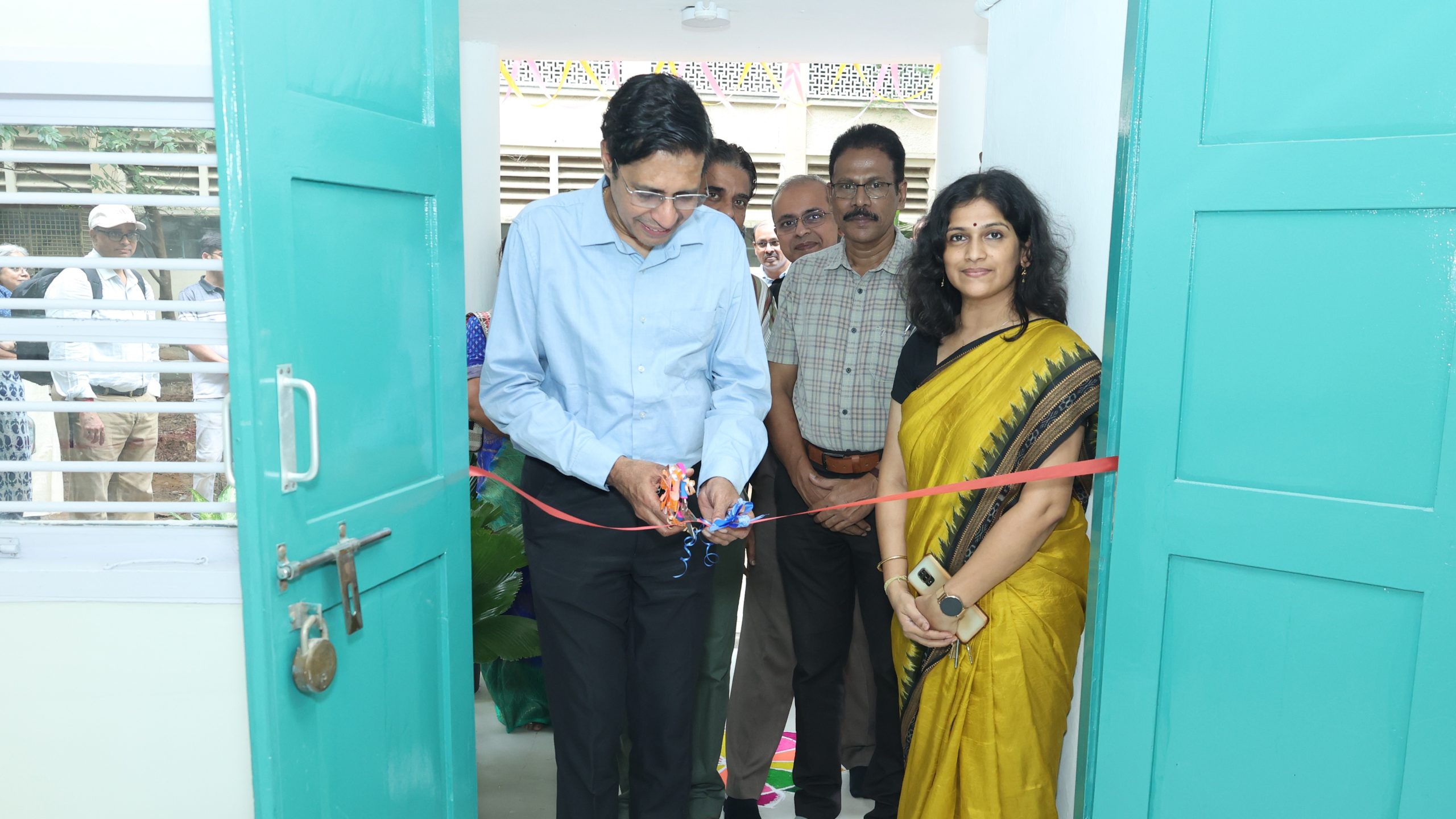
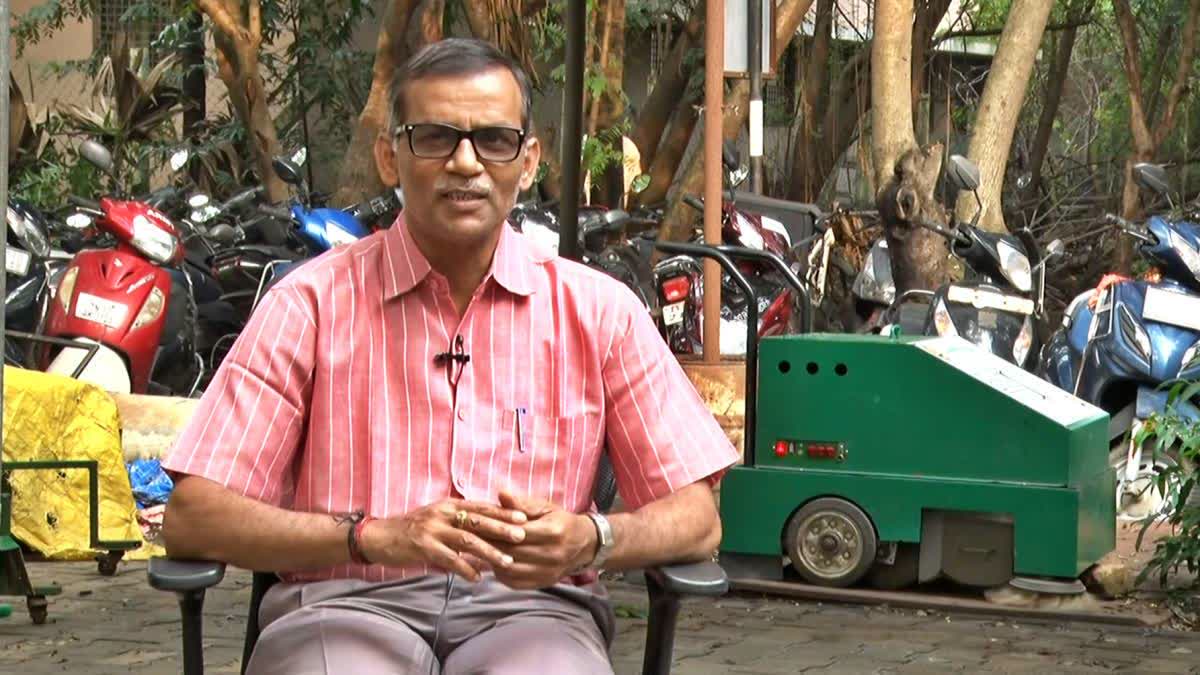
On January 2, 2026, India’s External Affairs Minister, S. Jaishankar, delivered an insightful address at the Indian Institute of Technology (IIT) Madras, focusing on India’s democratic legacy, its civilizational continuity, and its relations with Western nations. Jaishankar’s remarks highlighted the significance of India’s historical journey and its role in shaping modern democracy.
India’s Civilizational Continuity
Jaishankar began his address by emphasizing India’s unique position as one of the few ancient civilizations that have not only survived but evolved into a major modern nation-state. He stated, “This uninterrupted civilizational journey provides India with a unique awareness of its history.” This perspective, he argued, is crucial for understanding India’s current role on the global stage.
The Choice of Democracy
One of the key points Jaishankar made was regarding India’s decision to adopt a democratic political system after gaining independence. He asserted that this choice had far-reaching consequences, not only for India but for the global understanding of democracy itself. He remarked, “It was our decision to opt for a democratic political model, which actually made the very idea of democracy a universal political concept.” Jaishankar suggested that without India’s commitment to democracy, the model might have remained confined to regional interpretations.
Global Responsibilities
Jaishankar stressed that India has a responsibility to articulate its own values, culture, and history on the world stage. He stated, “It is our duty, our obligation to express our thoughts and our values, culture, and history.” This assertion reflects a broader vision of how India perceives its role in the global community, particularly in a time of significant geopolitical changes.
Engagement with the West
While emphasizing India’s unique identity and values, Jaishankar also highlighted the importance of engaging with Western nations. He noted that such engagement should be based on cooperation and constructive dialogue. “It can be done in a congenial partnership kind of way because I think that partnership with the West is important,” he stated. This comment underscores the necessity for India to balance its historical and cultural identity with the realities of international relations.
Shaping the World Together
Jaishankar concluded his address by reiterating that India’s partnership with Western nations is vital for shaping the future of the world. He expressed optimism about the potential for collaboration, stating, “I think it is very much a way of how we shape the world.” This perspective reflects a forward-looking approach, where India seeks to play an active role in global governance and international relations.
Conclusion
S. Jaishankar’s remarks at IIT Madras serve as a reminder of India’s rich historical legacy and its ongoing commitment to democracy. His emphasis on articulating India’s values while fostering partnerships with Western nations highlights the delicate balance that India seeks to maintain in a rapidly changing world. As India continues to evolve, its role on the global stage will undoubtedly be shaped by both its historical experiences and its forward-looking aspirations.
Note: The insights shared by S. Jaishankar reflect the broader discourse on India’s identity and its place in the world, emphasizing the importance of both historical awareness and future collaboration.