‘This is fine’ creator says AI startup stole his art
In a recent controversy, KC Green, the creator of the iconic comic strip featuring the anthropomorphic dog surrounded by flames, has accused an AI startup named Artisan of using his artwork without permission. The comic, which has become a popular meme over the past decade, features the phrase “This is fine” and has been widely shared across various platforms.
The Controversial Ad Campaign
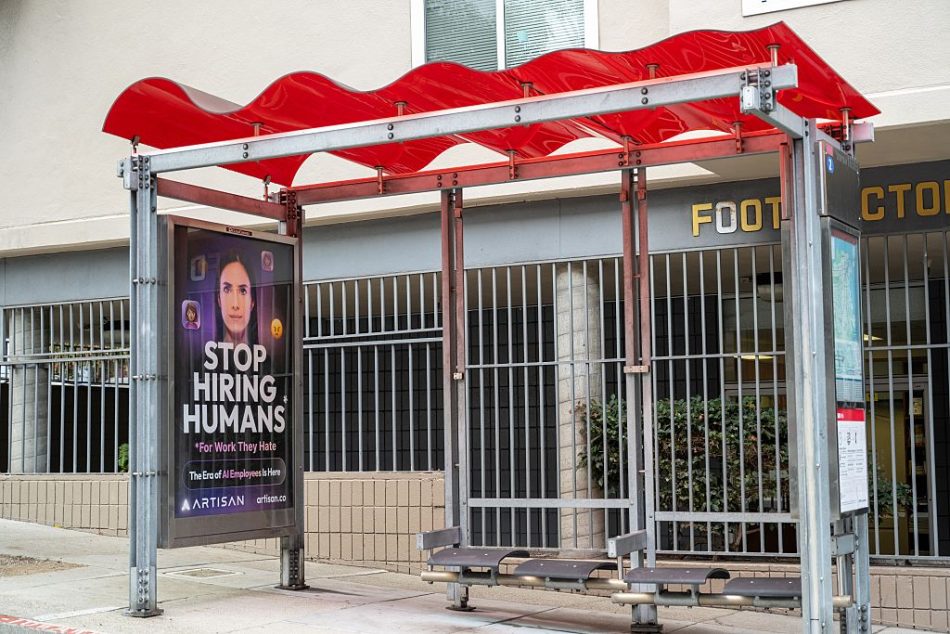
Green’s complaint arose when he discovered that Artisan had incorporated his artwork into an advertisement campaign. A post on Bluesky showcased an ad displayed in a subway station that featured Green’s character, but with a twist: instead of saying “This is fine,” the dog states, “[M]y pipeline is on fire,” accompanied by a message encouraging viewers to “Hire Ava the AI BDR.”
In response to the ad, Green expressed his frustration on social media, stating, “I’ve been getting more folks telling me about this and it’s not anything I agreed to. It’s been stolen like AI steals. Please vandalize it if and when you see it.” His call to action reflects a growing concern among artists regarding the unauthorized use of their work by AI and tech companies.
Artisan’s Response
When TechCrunch reached out to Artisan for comments regarding the ad, the company acknowledged Green’s work and stated, “We have a lot of respect for KC Green and his work, and we’re reaching out to him directly.” Following this, Artisan confirmed that they had scheduled a conversation with Green to discuss the matter further.
The Origin of “This is Fine”
The comic strip that features the now-famous phrase “This is fine” first appeared in Green’s webcomic series titled “Gunshow” in 2013. While Green has not completely disavowed the character, he has acknowledged that it has taken on a life of its own, often being used in contexts that he does not endorse. Recently, Green even adapted the comic into a game, but the unauthorized use of his art continues to be a pressing issue.
Legal Actions by Artists
Green is not alone in his struggle against the unauthorized use of art. Other artists have taken legal action when their creations have been commercialized without their consent. A notable example is cartoonist Matt Furie, who sued the right-wing conspiracy site Infowars for using his character Pepe the Frog in promotional materials. The case eventually settled, highlighting the complexities surrounding copyright and intellectual property in the digital age.
Green’s Future Actions
In light of the situation with Artisan, Green has indicated that he will be exploring legal representation, stating, “I feel I have to.” He expressed disappointment that he must divert his energy from creating comics and stories to navigating the legal system. “It takes the wind out of my sails,” he lamented, emphasizing that “these no-thought A.I. losers aren’t untouchable and memes just don’t come out of thin air.”
The Broader Implications
This incident raises significant questions about the ownership and use of digital art in an era increasingly dominated by artificial intelligence. As AI technologies continue to evolve, the line between inspiration and theft becomes blurrier, leaving artists like Green to grapple with the consequences. The case also underscores the need for clearer legal frameworks to protect artists’ rights in the digital landscape.
Conclusion
As the debate surrounding AI and art continues, the situation involving KC Green and Artisan serves as a reminder of the challenges artists face in protecting their work. The intersection of creativity and technology demands ongoing dialogue and action to ensure that artists are respected and compensated for their contributions.
Note: This article reflects the ongoing discussions about intellectual property rights in the age of AI and the importance of supporting artists in their endeavors.