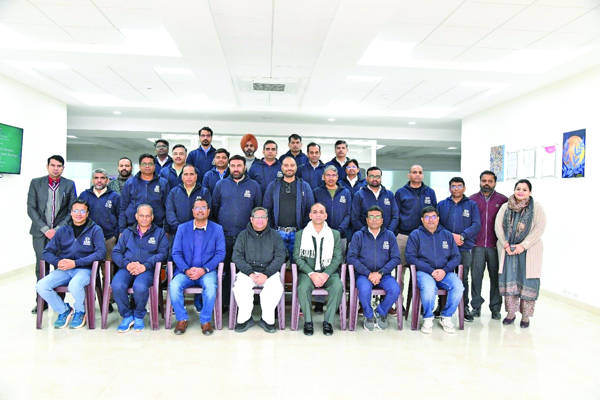
“Why are people under Mission YUWA being hired only from IIM, IIT Jammu”: Waheed Para Questions hiring process
In recent discussions surrounding the hiring practices of Mission YUWA, a program aimed at empowering youth in Jammu and Kashmir, significant concerns have been raised regarding the exclusivity of its recruitment process. Waheed Para, a prominent political figure and youth leader, has openly questioned the rationale behind hiring candidates solely from the Indian Institutes of Management (IIM) and the Indian Institute of Technology (IIT) Jammu. This article delves into the implications of such hiring practices and their impact on the local youth and the broader community.
Understanding Mission YUWA
Mission YUWA is an initiative designed to engage the youth of Jammu and Kashmir in various developmental activities. The program aims to harness the potential of young individuals by providing them with opportunities to contribute to societal progress. However, the recruitment process has come under scrutiny due to its apparent bias towards graduates from specific prestigious institutions.
Concerns Raised by Waheed Para
Waheed Para, who has been an advocate for youth rights and development in the region, has expressed his concerns regarding the hiring practices of Mission YUWA. He argues that limiting recruitment to graduates from IIM and IIT Jammu undermines the diverse talent pool available in the region. Para emphasizes that such exclusivity not only narrows the opportunities for local youth but also perpetuates a cycle of elitism.
The Importance of Inclusivity
Inclusivity in hiring practices is crucial for several reasons:
- Diverse Perspectives: A diverse workforce brings a variety of viewpoints and ideas, which can enhance creativity and innovation.
- Local Talent Utilization: By hiring locally, organizations can tap into the unique skills and knowledge that residents possess, which may be overlooked in a more homogeneous recruitment process.
- Community Development: Providing opportunities for local youth fosters community growth and empowerment, contributing to the overall development of the region.
The Role of Education in Employment
While education plays a significant role in shaping an individual’s career prospects, it is not the sole determinant of capability. Many talented individuals from various educational backgrounds possess the skills and potential to contribute meaningfully to initiatives like Mission YUWA. Limiting hiring to graduates from IIM and IIT Jammu may result in the exclusion of capable candidates who could bring valuable insights and experiences to the program.
Broader Implications for Youth Employment
The focus on elite institutions can have broader implications for youth employment in Jammu and Kashmir. The perception that only graduates from prestigious institutions are suitable for certain roles can discourage young people from pursuing their aspirations. This can lead to:
- Increased Unemployment: A narrow hiring approach may exacerbate unemployment rates among local youth who do not have access to prestigious educational institutions.
- Brain Drain: Talented individuals may seek opportunities outside the region, leading to a loss of skilled professionals who could contribute to local development.
- Social Disparities: The emphasis on elite education can deepen social inequalities, as those from less privileged backgrounds may find it increasingly difficult to compete in the job market.
Possible Solutions and Recommendations
To address the concerns raised by Waheed Para and to promote a more inclusive hiring process, several recommendations can be considered:
- Broaden Recruitment Criteria: Mission YUWA should consider a wider range of educational backgrounds and experiences in its hiring process to ensure that diverse talent is recognized and utilized.
- Engage with Local Institutions: Collaborating with local colleges and universities can help identify promising candidates who may not have attended elite institutions but possess the necessary skills and passion for community development.
- Implement Training Programs: Providing training and mentorship programs for local youth can help bridge the gap between education and employment, equipping them with the skills needed for various roles.
The Need for Dialogue
Open dialogue between stakeholders, including government officials, educational institutions, and community leaders, is essential to address the challenges faced by youth in Jammu and Kashmir. By fostering discussions around inclusive hiring practices, stakeholders can work together to create a more equitable job market that benefits all segments of society.
Conclusion
The concerns raised by Waheed Para regarding the hiring practices of Mission YUWA highlight the need for a more inclusive approach to employment in Jammu and Kashmir. By recognizing the potential of local talent and broadening recruitment criteria, organizations can contribute to the empowerment of youth and the overall development of the region. It is crucial to create opportunities that reflect the diverse capabilities of the community, ensuring that all young individuals have a chance to contribute to the progress of their society.
Note: The views expressed in this article are based on the current discussions surrounding Mission YUWA and do not necessarily reflect the official stance of any organization.