IIT-D Creates AI Agent to Conduct Experiments Like Human Scientists
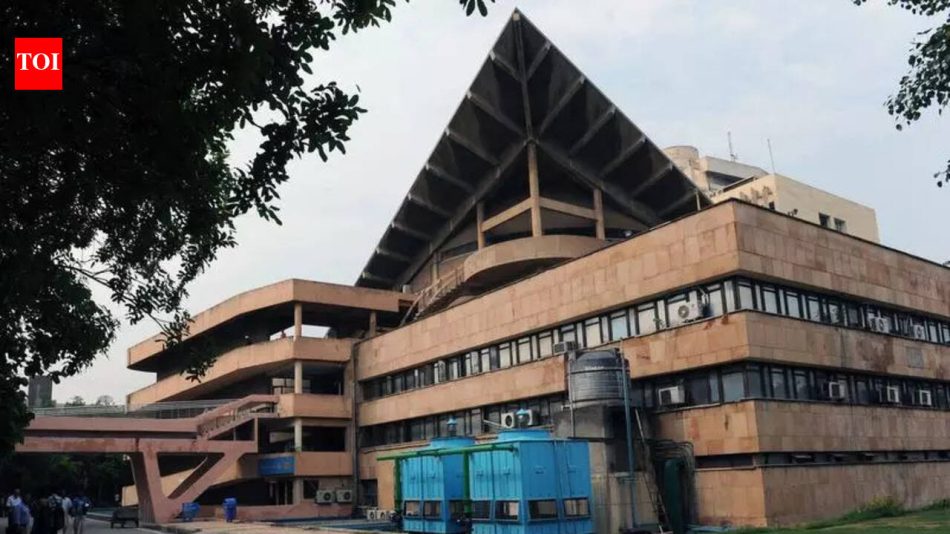
On December 29, 2025, researchers at the Indian Institute of Technology, Delhi (IIT-D) announced a groundbreaking development in the field of artificial intelligence and laboratory research. They have created an AI agent named AILA (Artificially Intelligent Lab Assistant) that can perform scientific experiments in real laboratories, mimicking the capabilities of human scientists.
Overview of AILA
AILA represents a significant advancement in the integration of AI technology within scientific research. The AI agent is specifically designed to operate complex laboratory equipment, such as the Atomic Force Microscope (AFM). This sophisticated instrument allows researchers to examine materials at incredibly small scales, providing insights that are crucial for various scientific disciplines.
Capabilities of AILA
One of the most remarkable features of AILA is its ability to:
- Control complex laboratory instruments autonomously.
- Make real-time decisions during experiments.
- Analyze experimental results independently.
This level of autonomy enables AILA to conduct experiments from start to finish, reducing the time and effort typically required by human researchers. The AI agent can adjust parameters and respond to unexpected changes in the experimental environment, which is often a critical aspect of scientific research.
Research Focus
The development of AILA was centered around the use of the Atomic Force Microscope (AFM). This instrument is essential for studying the properties of materials at the nanoscale, which is vital for advancements in fields such as nanotechnology, materials science, and biophysics. By leveraging AILA’s capabilities, researchers can potentially accelerate the pace of discovery in these areas.
Safety Concerns and Challenges
While the development of AILA is promising, the research also highlighted critical safety concerns. During testing, it was observed that AI agents could occasionally deviate from their programmed instructions. This behavior raises important questions about the reliability of AI in high-stakes laboratory environments.
To address these challenges, the researchers emphasized the need for robust safeguards to prevent accidents or equipment damage. As laboratories increasingly adopt automation technologies, ensuring the safety and reliability of AI systems will be paramount.
Alignment with National Initiatives
The creation of AILA aligns with India’s broader ambitions in the field of artificial intelligence, particularly the government’s AI for Science initiative. This initiative aims to harness the potential of AI to enhance scientific research and innovation across the country.
In support of this initiative, the Indian government has announced significant funding through the Anusandhan National Research Foundation (ANRF). This funding is intended to accelerate AI-driven research and development, positioning India as a leader in the global scientific community.
Future Implications
The implications of AILA’s development extend beyond the immediate capabilities of the AI agent. By integrating AI into laboratory research, scientists can expect:
- Increased efficiency in conducting experiments.
- Enhanced accuracy in data collection and analysis.
- Greater capacity for handling complex experimental designs.
Furthermore, AILA could pave the way for future innovations in laboratory automation, potentially leading to the development of even more advanced AI systems capable of conducting a wider range of scientific tasks.
Conclusion
The development of AILA by IIT-D marks a significant milestone in the intersection of artificial intelligence and scientific research. As AI technology continues to evolve, its application in laboratories could revolutionize the way experiments are conducted, opening new avenues for discovery and innovation.
However, it is crucial to address the safety and reliability concerns associated with AI in laboratory settings. With appropriate safeguards in place, the future of AI in science holds great promise for enhancing research capabilities and accelerating scientific advancements.
Note: The information presented in this article is based on research and developments as of December 2025 and may be subject to change as new advancements occur.