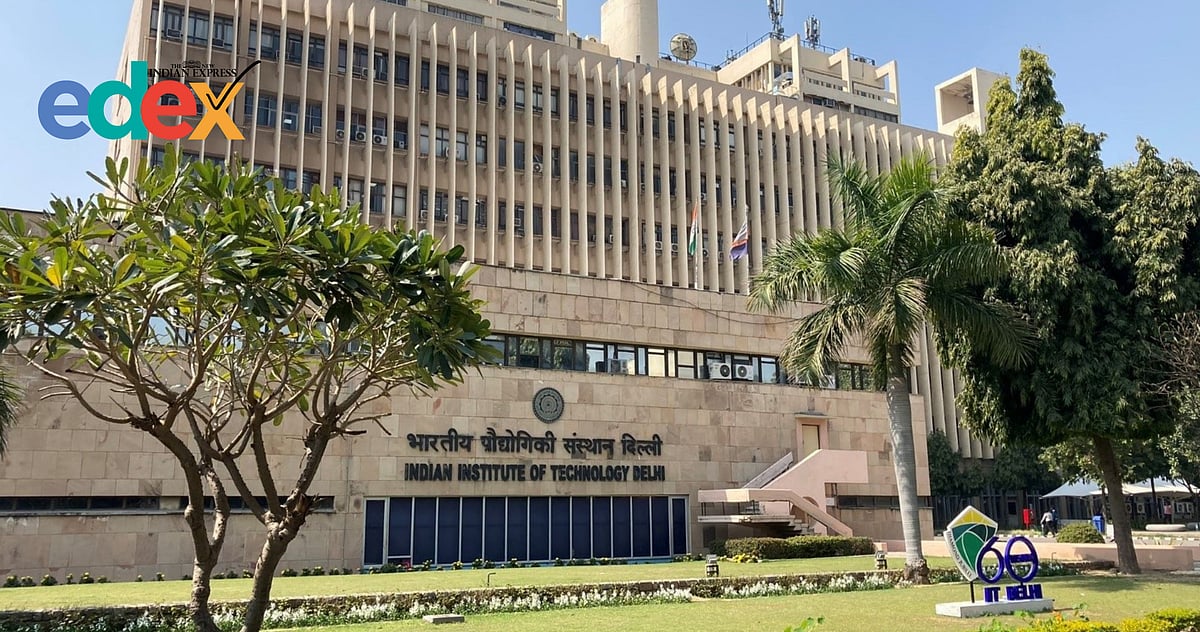
IIT Delhi Sets Up Panel After Caste Discussion Row
In a significant development, the Indian Institute of Technology (IIT) Delhi has formed a fact-finding committee following a controversial discussion on caste that took place on its campus. This decision comes in the wake of heightened tensions and debates surrounding caste issues in India, particularly in academic spaces.
Background of the Incident
The discussion, which was organized by a student group, sparked a considerable uproar among various factions within the institute and the broader community. Critics argued that the event was not conducted in accordance with the institute’s guidelines, leading to questions about the appropriateness of such discussions on campus.
Formation of the Committee
The newly established committee has been tasked with a comprehensive review of the circumstances surrounding the organization of the discussion. Specifically, the panel will investigate the following:
- Whether prior permission was obtained for the event.
- If the norms governing campus events were adhered to.
- The overall impact of the discussion on campus harmony and student sentiments.
Objectives of the Committee
The committee aims to ensure transparency and accountability in the handling of sensitive topics such as caste. It is expected to provide recommendations on how similar discussions can be conducted in the future while maintaining respect for all community members. The objectives of the committee include:
- Assessing the adherence to institutional policies regarding event organization.
- Evaluating the need for clearer guidelines on discussions related to caste and other sensitive issues.
- Promoting an inclusive environment where diverse viewpoints can be expressed safely.
Reactions from the Community
The formation of the committee has elicited mixed reactions from the IIT Delhi community. Some students and faculty members have expressed support for the initiative, viewing it as a necessary step towards addressing the complexities of caste in academia. Others, however, have voiced concerns about potential censorship and the stifling of free speech.
Supportive Voices
Supporters of the committee argue that discussions around caste are crucial for fostering understanding and addressing systemic inequalities. They believe that a structured approach to such discussions can help mitigate conflicts and promote dialogue.
Concerns About Censorship
On the other hand, critics fear that the investigation might lead to restrictions on academic freedom and discourage students from engaging in important conversations. They argue that open discourse is essential for a vibrant academic environment and that students should be allowed to explore sensitive topics without fear of retribution.
The Importance of Caste Discussions
Caste remains a deeply entrenched issue in Indian society, influencing various aspects of life, including education, employment, and social interactions. In academic settings, discussions about caste can play a pivotal role in raising awareness and promoting social justice. However, these discussions must be approached with care and sensitivity.
Educational Value
Engaging in discussions about caste can provide valuable insights into the historical and contemporary issues faced by marginalized communities. It can also help students develop critical thinking skills and a deeper understanding of social dynamics.
Challenges in Addressing Caste
Despite the importance of these discussions, addressing caste-related issues can be challenging. Misunderstandings and emotional responses can lead to conflict, making it essential for institutions to establish clear guidelines for facilitating such conversations.
Future Steps for IIT Delhi
As the committee embarks on its investigation, IIT Delhi is expected to engage with various stakeholders, including students, faculty, and alumni, to gather diverse perspectives. The findings of the committee will likely influence future policies regarding campus discussions on sensitive topics.
Potential Policy Changes
Depending on the committee’s findings, IIT Delhi may implement new policies aimed at fostering a more inclusive environment. These could include:
- Establishing a framework for organizing discussions on sensitive topics.
- Providing training for students and faculty on facilitating respectful discourse.
- Creating platforms for marginalized voices to be heard in academic discussions.
Conclusion
The establishment of a fact-finding committee at IIT Delhi marks a significant step in addressing the complexities surrounding caste discussions in academic settings. As the committee investigates the recent incident, it is crucial for the institute to balance the need for open dialogue with the responsibility to maintain a respectful and inclusive environment for all students.
Note: The situation surrounding caste discussions in India continues to evolve, and it is essential for educational institutions to adapt their policies to reflect the changing societal landscape.