IIT Delhi’s Atal Centre Transfers Recycling Technologies for Aramid Waste, Technical Textiles, National Flag
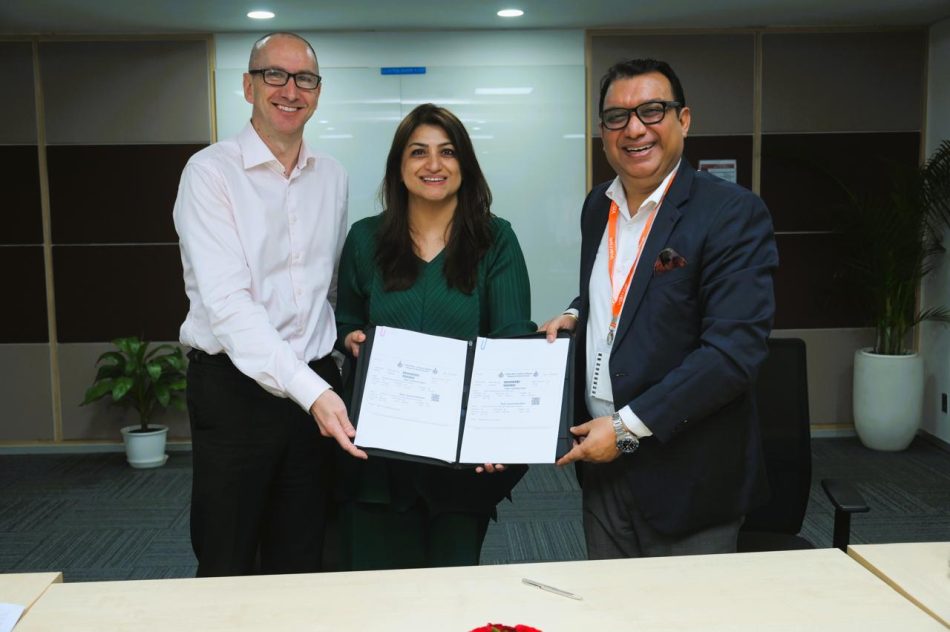
On November 28, 2025, the Atal Centre of Textile Recycling and Sustainability (ACTRS) at the Indian Institute of Technology (IIT) Delhi announced the successful transfer of multiple innovative recycling technologies to industry partners. These technologies are designed to handle and recycle high-performance aramid waste, technical textiles, and even retired national flags.
Overview of the Atal Centre of Textile Recycling and Sustainability
Established as a pioneering initiative, the ACTRS aims to promote sustainable practices within the textile industry. The Centre focuses on developing advanced recycling technologies that can significantly reduce waste and promote the circular economy. Aramid fibers, known for their high strength and thermal stability, are widely used in various sectors, including defense, aerospace, and protective clothing.
Key Innovations and Technology Transfers
The recent event, organized in Panipat by the Punjab, Haryana, and Delhi Chamber of Commerce and Industry (PHDCCI), showcased several key innovations:
- Recycling of Aramid Waste: The Centre has developed methods for processing high-performance aramid waste materials, which are critical in industries such as defense and aerospace.
- Technical Textiles Recycling: Technologies have been designed to recycle technical gloves and other specialized textiles, enhancing sustainability in these sectors.
- National Flag Recycling: A significant innovation involves the dignified recycling of retired national flags, which is being led by the Sewaj Neesim Foundation, an organization committed to this national initiative.
Collaboration with Sewaj Neesim Foundation
The innovation has been officially transferred to the Sewaj Neesim Foundation, which is headed by Major General Ashim Kohli (Retd.). This foundation is at the forefront of implementing a national initiative aimed at the respectful recycling of retired national flags across India. The collaboration emphasizes the importance of sustainability and respect for national symbols.
Statements from Key Officials
During the event, several officials highlighted the significance of these advancements:
Shri Ashok Malhotra, Mission Director, National Technical Textiles Mission: “With pioneering contributions from IIT Delhi’s advanced research in textile recycling and sustainability, the mission empowers startups and industries to promote indigenization, circular economy principles, and cutting-edge manufacturing.”
Bipin Kumar, Coordinator, Atal Centre of Textile Recycling and Sustainability: “The Atal Center at Panipat is a beacon of innovation in sustainable textile recycling, delivering advanced solutions for high-performance textile waste materials. Our mission drives the textile industry towards a circular economy through cutting-edge technology transfer and impactful recycling initiatives.”
Significance of the Innovations
The technologies developed by the Atal Centre are expected to have a profound impact on the textile industry in India. Some of the key benefits include:
- Environmental Impact: By recycling aramid waste and other textiles, the technologies contribute to reducing landfill waste and promoting environmental sustainability.
- Economic Opportunities: The innovations are anticipated to create new business opportunities for startups and existing industries, fostering economic growth in the textile sector.
- National Pride: The dignified recycling of national flags not only respects the symbol of the nation but also promotes a sense of patriotism and responsibility among citizens.
Future Directions
The Atal Centre’s initiatives are just the beginning of a larger movement towards sustainable textile practices in India. The Centre plans to continue its research and development efforts to further enhance recycling technologies and promote sustainable practices across various textile applications. Future projects may include:
- Expanding partnerships with more industry stakeholders to increase the adoption of recycling technologies.
- Conducting workshops and training sessions to educate industry professionals about sustainable practices.
- Researching additional materials that can be recycled, thereby broadening the scope of sustainable textile recycling.
Conclusion
The transfer of recycling technologies from IIT Delhi’s Atal Centre marks a significant milestone in the quest for sustainability within the textile industry. By focusing on high-performance materials like aramid waste and promoting the dignified recycling of national flags, the Centre is paving the way for a more sustainable future in textiles.
Note: The information presented in this article is based on the latest updates from IIT Delhi and related organizations as of November 2025.