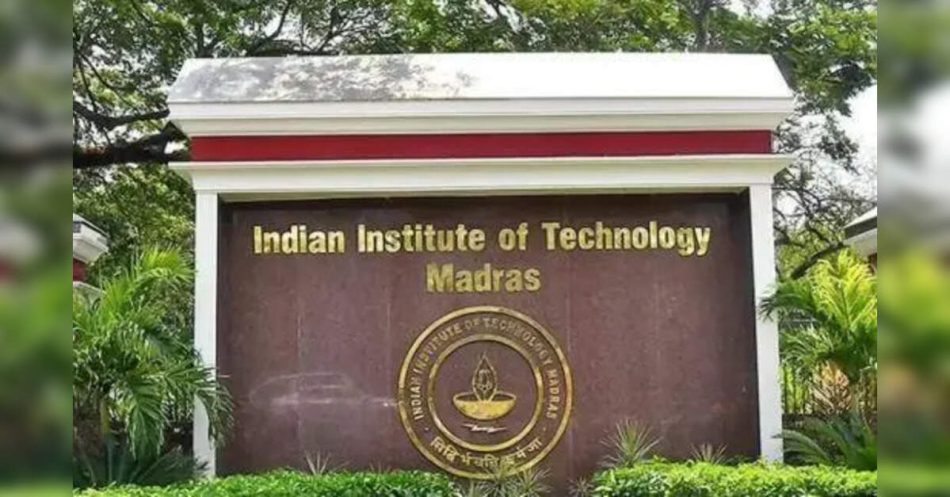
IIT-M’s First Technology Summit Integrates AI Breakthroughs With Nation-Building
The Indian Institute of Technology Madras (IIT-M) recently hosted its inaugural Technology Summit, focusing on the integration of artificial intelligence (AI) advancements with the overarching goal of nation-building. This summit gathered industry leaders, academic experts, and policymakers to discuss the transformative potential of AI in various sectors, including healthcare, agriculture, education, and infrastructure.
Overview of the Summit
The summit aimed to create a platform for dialogue and collaboration among stakeholders in technology and governance. It featured keynote speeches, panel discussions, and workshops that highlighted the latest developments in AI and their implications for India’s growth and development.
Key Themes and Discussions
1. AI in Healthcare
One of the primary focuses of the summit was the application of AI in the healthcare sector. Experts discussed how AI technologies can enhance diagnostics, patient care, and operational efficiency in hospitals. Notable advancements include:
- Predictive Analytics: AI algorithms can analyze patient data to predict health outcomes and identify at-risk populations.
- Telemedicine: AI-powered platforms facilitate remote consultations, making healthcare accessible to rural and underserved communities.
- Personalized Medicine: Machine learning models can tailor treatment plans based on individual patient profiles.
2. AI in Agriculture
Another significant area of discussion was the role of AI in transforming agriculture. The summit showcased innovative solutions that can help farmers increase productivity and sustainability. Key points included:
- Precision Farming: AI technologies enable farmers to optimize resource use, such as water and fertilizers, leading to higher yields.
- Crop Monitoring: Drones and satellite imagery powered by AI can monitor crop health and detect diseases early.
- Supply Chain Optimization: AI can streamline agricultural supply chains, reducing waste and ensuring food security.
3. AI in Education
The education sector is also poised for transformation through AI. The summit explored how AI can enhance learning experiences and administrative efficiency. Highlights included:
- Personalized Learning: AI can adapt educational content to meet the unique needs of each student, fostering better learning outcomes.
- Administrative Automation: AI tools can automate administrative tasks, allowing educators to focus more on teaching.
- Data-Driven Insights: AI can analyze student performance data to identify areas for improvement and inform instructional strategies.
4. AI in Infrastructure
Infrastructure development is critical for nation-building, and AI can play a pivotal role in this area. Discussions at the summit included:
- Smart Cities: AI technologies can enhance urban planning and management, improving traffic flow and reducing pollution.
- Predictive Maintenance: AI can predict infrastructure failures, allowing for timely repairs and reducing downtime.
- Resource Management: AI can optimize the use of resources in construction and maintenance projects, ensuring sustainability.
Collaboration and Partnerships
The summit emphasized the importance of collaboration between academia, industry, and government. By fostering partnerships, stakeholders can leverage AI innovations to address pressing national challenges. Key initiatives discussed included:
- Public-Private Partnerships: Collaborations between government agencies and private companies can drive AI research and development.
- Academic-Industry Alliances: Joint research projects can facilitate knowledge transfer and accelerate the commercialization of AI technologies.
- Government Support: Policymakers were encouraged to create a conducive environment for AI innovation through funding and regulatory frameworks.
Challenges and Ethical Considerations
While the potential of AI is immense, the summit also addressed the challenges and ethical considerations associated with its implementation. Key concerns raised included:
- Data Privacy: Ensuring the protection of personal data is crucial as AI systems often rely on vast amounts of information.
- Bias in AI: The risk of algorithmic bias can lead to unfair outcomes, necessitating careful design and testing of AI systems.
- Job Displacement: The impact of AI on employment was a significant concern, with discussions on how to reskill the workforce for new opportunities.
Conclusion
The IIT-M Technology Summit successfully highlighted the intersection of AI advancements and nation-building efforts. By fostering collaboration among various stakeholders, the summit aimed to pave the way for innovative solutions that can address India’s most pressing challenges. As the nation continues to embrace AI technologies, it is essential to navigate the associated challenges and ensure that these advancements contribute positively to society.
Note: The information presented in this article is based on the events and discussions that took place during the IIT-M Technology Summit, reflecting the current state of AI integration in various sectors.